While doctors primarily diagnose and treat individual patients, public health professionals focus on improving the health of entire populations. Their work aims to prevent disease, reduce health inequalities, promote healthy lifestyles, and strengthen healthcare systems before people become seriously ill.
Public and Community Health brings together medicine, biology, statistics, sociology, psychology, economics, environmental science, and public policy. Professionals in this field study how diseases spread, identify health risks, design prevention programs, evaluate healthcare services, and help governments and communities make better health decisions.
From vaccination campaigns and sanitation initiatives to disease surveillance, maternal and child health, nutrition, mental health awareness, and emergency response, public health professionals work behind the scenes to protect millions of people.
What is Public & Community Health?
Public health is the science and practice of protecting and improving the health of populations through prevention, education, research, policy, and organized community action.
Community health focuses more closely on the health needs of specific communities or groups of people. It considers social, cultural, economic, and environmental factors that influence health and works directly with communities to improve health outcomes.
Instead of waiting for people to become ill, public health professionals try to identify risks early, prevent disease, and create conditions that allow people to live healthier lives.
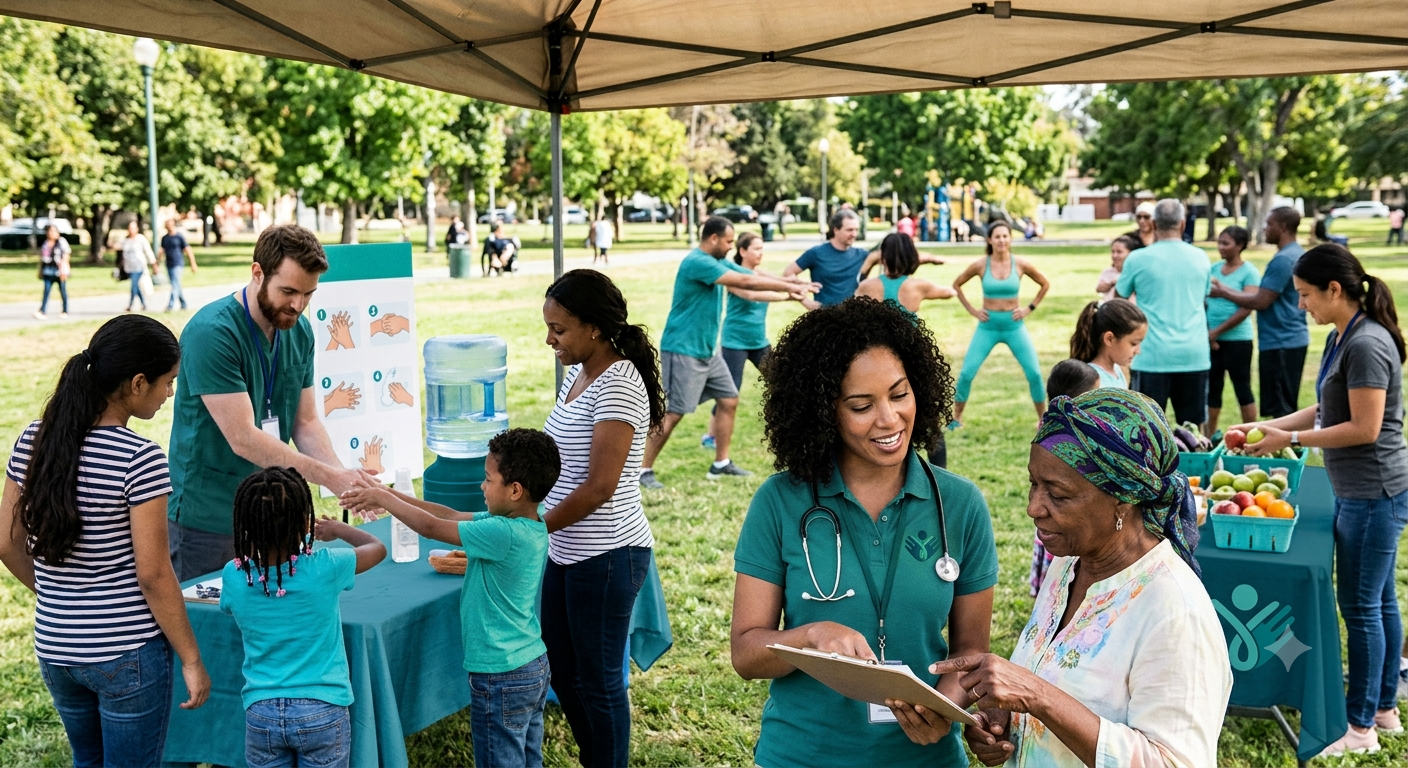
What Does a Public Health Professional Do?
The responsibilities of public health professionals vary depending on their specialization and the organization they work for. Some spend most of their time analyzing health data, while others work directly with communities or help develop health policies.
Typical responsibilities may include:
- Monitoring disease outbreaks
- Analyzing health statistics
- Conducting community health surveys
- Planning vaccination campaigns
- Designing health education programs
- Evaluating healthcare services
- Studying environmental health risks
- Developing public health policies
- Managing health programs
- Working with local communities
- Preparing research reports
- Responding to public health emergencies
Public health professionals often collaborate with doctors, nurses, government officials, statisticians, researchers, NGOs, educators, social workers, and community leaders to address health problems from multiple perspectives.
Major Areas of Public & Community Health
Public health is a broad field with many areas of specialization. Students can choose a path based on whether they are interested in data, research, policy, healthcare management, environmental issues, or direct community work.
Major areas include:
- Epidemiology — studying how diseases occur and spread
- Biostatistics — analyzing health and medical data
- Community Medicine — improving health at the community level
- Health Policy — developing policies that improve healthcare systems
- Health Promotion — encouraging healthy lifestyles
- Environmental Health — studying the impact of air, water, food, and surroundings on health
- Maternal and Child Health — improving the health of mothers and children
- Global Health — addressing health issues across countries
- Infectious Disease Control — preventing and responding to outbreaks
- Non-Communicable Disease Prevention — addressing diabetes, cancer, heart disease, and similar conditions
- Nutrition and Public Health — improving population nutrition
- Mental Health Promotion — supporting mental well-being at the population level
- Health Economics — studying how healthcare resources are used
- Health Informatics — using digital systems and health data
What Does an Epidemiologist Do?
Epidemiologists are often described as disease detectives. They investigate why diseases occur, who is most affected, how infections spread, and which prevention strategies are most effective.
Their work may include:
- Investigating disease outbreaks
- Analyzing infection trends
- Studying risk factors
- Designing research studies
- Evaluating vaccines and interventions
- Using statistical models
- Advising governments during health emergencies
- Publishing research findings
Epidemiology became especially visible during global disease outbreaks, but epidemiologists also study chronic diseases, injuries, environmental exposures, and many other health issues.
Career Pathway
Public health is commonly pursued as a postgraduate specialization, although some universities also offer undergraduate programs in public health and related subjects.
A common pathway is:
Students from medicine, nursing, dentistry, pharmacy, life sciences, statistics, social sciences, and other disciplines can often enter public health through postgraduate programs, depending on the admission requirements of the institution.
Popular Courses
Public health education is available through undergraduate, postgraduate, and doctoral programs.
Popular courses include:
- Bachelor of Public Health (BPH)
- B.Sc Public Health
- B.Sc Community Health
- Master of Public Health (MPH)
- M.Sc Epidemiology
- M.Sc Biostatistics
- M.Sc Global Health
- M.Sc Health Informatics
- M.Sc Environmental Health
- M.Sc Health Economics
- Ph.D. in Public Health
- Ph.D. in Epidemiology
Students interested in health data and research may prefer epidemiology or biostatistics, while those interested in administration and policy may choose health policy, health management, or global health.
Entrance Exams
Admission requirements depend on the institution and course. Students should always check the latest eligibility criteria before applying.
Common admission routes include:
- CUET-UG — accepted by participating universities for undergraduate programs
- CUET-PG — accepted by participating universities for postgraduate programs
- University-specific entrance examinations
- Merit-based admissions
- Interviews or written assessments at selected institutions
- Medical or science degree eligibility for many MPH programs
Many Master of Public Health programs evaluate applicants based on their undergraduate degree, academic performance, entrance test where applicable, and sometimes work or internship experience.
Top Institutes in India
India has several respected institutions offering public health, epidemiology, and related programs.
Some prominent options include:
- All India Institute of Medical Sciences (AIIMS)
- Tata Institute of Social Sciences (TISS), Mumbai
- Public Health Foundation of India (PHFI)
- Indian Institutes of Public Health (IIPH)
- Jawaharlal Nehru University (JNU)
- Sree Chitra Tirunal Institute for Medical Sciences and Technology (SCTIMST)
- National Institute of Epidemiology
- Christian Medical College (CMC), Vellore
- Manipal Academy of Higher Education
- University of Delhi
Students should compare programs based on specialization options, fieldwork opportunities, faculty expertise, research projects, internships, public health partnerships, and career support.
Career Opportunities
Public health offers careers across government, hospitals, research institutions, NGOs, consulting organizations, universities, and international agencies.
Popular career roles include:
- Public Health Officer
- Epidemiologist
- Public Health Analyst
- Health Policy Analyst
- Biostatistician
- Community Health Specialist
- Health Educator
- Program Manager
- Monitoring and Evaluation Specialist
- Global Health Consultant
- Environmental Health Officer
- Health Researcher
- Disease Surveillance Officer
- Public Health Consultant
- NGO Program Coordinator
- Health Communication Specialist
- Health Informatics Analyst
- Research Associate
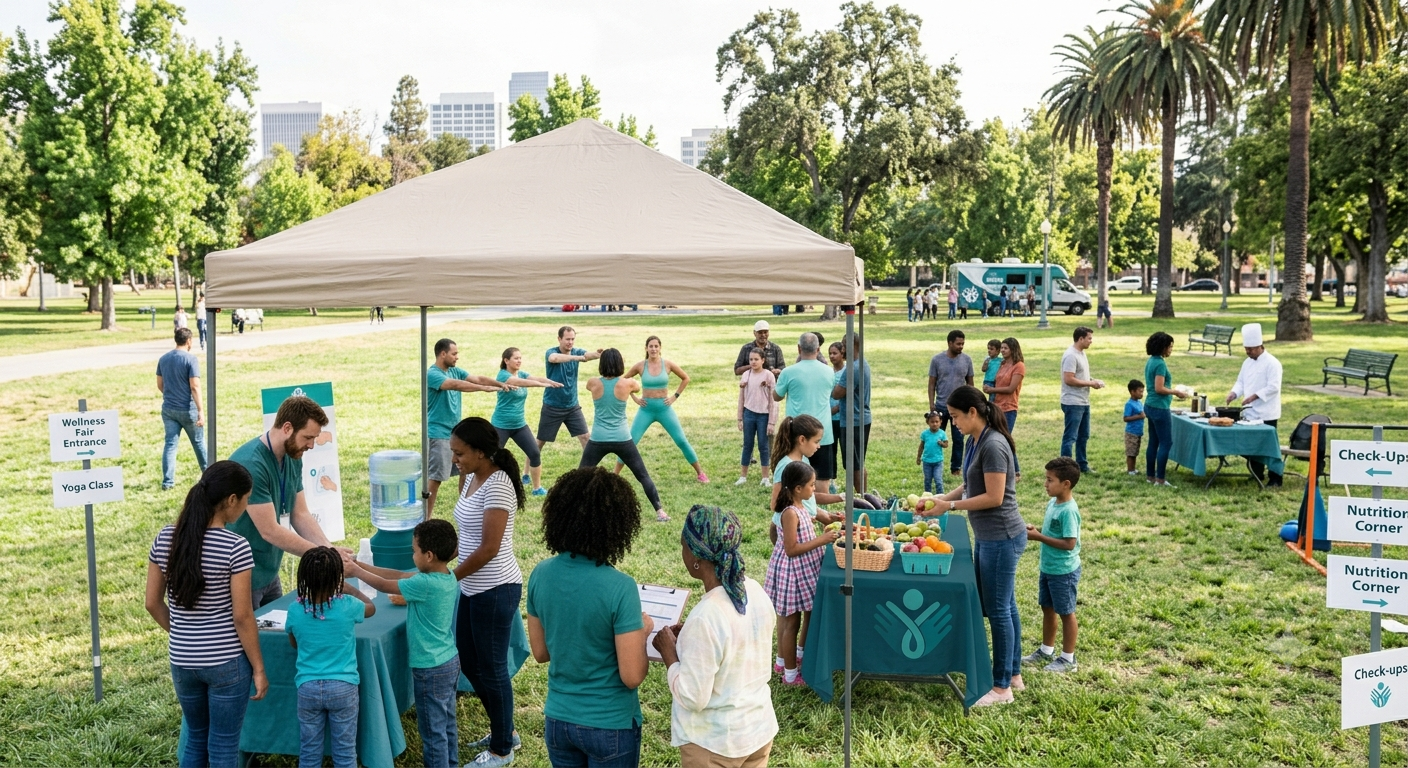
Professionals may work with ministries of health, public hospitals, research institutes, universities, non-governmental organizations, consulting firms, international development agencies, and community organizations.
Government & Public Health Careers
Government health systems employ professionals to design and implement programs aimed at improving population health. These roles can involve disease control, maternal and child health, nutrition, sanitation, health surveillance, emergency preparedness, and healthcare planning.
Government-oriented career opportunities may include:
- Public Health Officer
- Disease Surveillance Officer
- Health Program Manager
- Community Health Coordinator
- Health Policy Researcher
- Epidemiology Positions
- National Health Program Roles
- State and District Public Health Services
- Health Data and Monitoring Roles
- Public Health Research Positions
Global Health Careers
Global health focuses on health challenges that cross national borders and require international cooperation. Professionals may work on infectious diseases, vaccination, nutrition, maternal health, humanitarian emergencies, health systems, and health inequalities.
Career opportunities can be found with:
- International development organizations
- Global health NGOs
- Research collaborations
- Humanitarian health programs
- Multilateral health agencies
- International universities and research centres
These careers often require strong communication skills, cultural sensitivity, research ability, and the willingness to work with diverse populations and multidisciplinary teams.
Salary Range in India
Salary varies depending on qualifications, specialization, employer, experience, and whether the organization is government, private, research-based, or international.
Typical salary ranges may include:
- Health Educator / NGO Coordinator — ₹3.5–6 LPA
- Community Health Officer — ₹4–8 LPA
- Public Health Analyst — ₹5–10 LPA
- Program Manager — ₹6–12 LPA
- Epidemiologist — ₹7–15 LPA
- Biostatistician — ₹8–16 LPA
- Health Policy Consultant — ₹10–20 LPA
- Senior Public Health Consultant — ₹15–30+ LPA
- Experienced Global Health Professional — ₹15–30+ LPA
Professionals with advanced qualifications, strong research experience, or specialized expertise in epidemiology, biostatistics, health economics, or global health may access higher-level roles and broader career opportunities.
Skills Required
Public health requires a balance of analytical ability, communication, and social awareness. Professionals must understand both health data and the communities behind those numbers.
Important skills include:
- Data analysis
- Statistical reasoning
- Research methodology
- Communication skills
- Community engagement
- Problem-solving
- Critical thinking
- Policy analysis
- Project management
- Leadership
- Cultural sensitivity
- Teamwork
- Report writing
- Crisis management
- Empathy and social awareness
Many public health professionals also use tools such as Excel, R, Python, SPSS, STATA, GIS software, dashboards, and health information systems to analyze and communicate health data.
Public Health & Data Analytics
Modern public health relies heavily on data. Health professionals analyze disease trends, hospital records, surveys, vaccination coverage, environmental information, and population statistics to identify problems and evaluate interventions.
Students who combine public health with statistics, programming, or data science can pursue careers in epidemiology, health analytics, digital health, health informatics, and research.
Public Health & Technology
Technology is transforming how public health programs are delivered and monitored. Digital health records, mobile health applications, telemedicine, geographic information systems, and real-time disease surveillance tools are becoming increasingly important.
This creates opportunities for professionals who understand both health systems and technology, particularly in health informatics, digital health, and public health analytics.
Preventive Healthcare
One of the central ideas in public health is prevention. Preventing illness is often more effective and less costly than treating disease after it develops.
Preventive public health programs may focus on vaccination, nutrition, sanitation, tobacco control, physical activity, screening, mental health awareness, road safety, environmental protection, and health education.
Professionals in this area work to identify risk factors and design interventions that reduce the likelihood of disease across entire populations.
Future Scope
Public health is expected to remain an important career field as societies face challenges such as emerging infectious diseases, aging populations, chronic illnesses, environmental pollution, climate-related health risks, and increasing demand for effective healthcare systems.
Governments and organizations are investing in disease surveillance, health data systems, preventive healthcare, digital health, emergency preparedness, and community-based healthcare.
Fields such as epidemiology, health informatics, biostatistics, health economics, environmental health, and global health are likely to continue creating opportunities for professionals with strong analytical and interdisciplinary skills.
The increasing availability of health data also means that professionals who combine public health knowledge with statistics, programming, and data analytics can build especially versatile career profiles.
Entrepreneurship & Public Health
Public health also offers opportunities for entrepreneurship and innovation. Professionals may contribute to startups and organizations focused on health education, digital health platforms, preventive healthcare, community wellness, health analytics, and technology-enabled public health solutions.
Successful public health ventures usually require a combination of health expertise, understanding of community needs, technology, business strategy, and awareness of healthcare regulations.
Is Public & Community Health the Right Career for You?
Public & Community Health can be an excellent choice for students who want to improve the health of large populations rather than focus only on individual patient care.
You may enjoy this career if you:
- Want to improve people's lives on a large scale
- Enjoy working with data and research
- Are interested in healthcare and society
- Like solving complex public problems
- Have strong communication skills
- Enjoy working with communities
- Are interested in government and policy
- Want to prevent diseases rather than only treat them
- Are comfortable collaborating with different professionals
- Care about social impact
However, the field may be less suitable if you strongly dislike statistics, research, policy processes, community engagement, or working within large health systems. Many roles involve long-term planning and coordination rather than immediate one-to-one patient care.
Final Thoughts
Public & Community Health is about protecting people before they become patients. It brings together science, data, policy, education, and community action to create healthier societies.
From tracking disease outbreaks and designing vaccination programs to improving maternal health, reducing environmental risks, and shaping healthcare policies, public health professionals influence the well-being of entire communities.
For students who are interested in healthcare but also enjoy research, statistics, policy, social issues, and large-scale problem-solving, Public & Community Health offers a meaningful and diverse career path.
As healthcare increasingly shifts toward prevention, data-driven decision-making, digital health, and stronger community systems, professionals in this field will continue to play a vital role in building healthier and more resilient populations.