The human mind influences almost every decision, relationship, habit, and action we take. Psychology and Behavioural Sciences study how people think, feel, learn, remember, communicate, make decisions, and behave in different situations.
Psychology is no longer limited to hospitals and therapy rooms. Psychological knowledge is increasingly being applied in schools, workplaces, sports, technology, marketing, product design, research, education, law enforcement, and public policy.
As awareness of mental health continues to grow, organizations are also placing greater importance on emotional well-being, workplace behaviour, employee engagement, learning, and healthy relationships. This has created a wide range of opportunities for students interested in understanding people.
What are Psychology and Behavioural Sciences?
Psychology is the scientific study of the mind and behaviour. It examines how biological processes, experiences, emotions, thoughts, social environments, and individual differences influence the way people behave.
Behavioural Science is a broader interdisciplinary field that draws from psychology, sociology, anthropology, economics, neuroscience, and related disciplines to understand how individuals and groups make decisions and interact with their environments.
The field therefore extends far beyond mental illness. Psychologists and behavioural researchers may study memory, learning, motivation, personality, relationships, consumer decisions, workplace behaviour, child development, athletic performance, or how people interact with technology.
Major Areas of Psychology
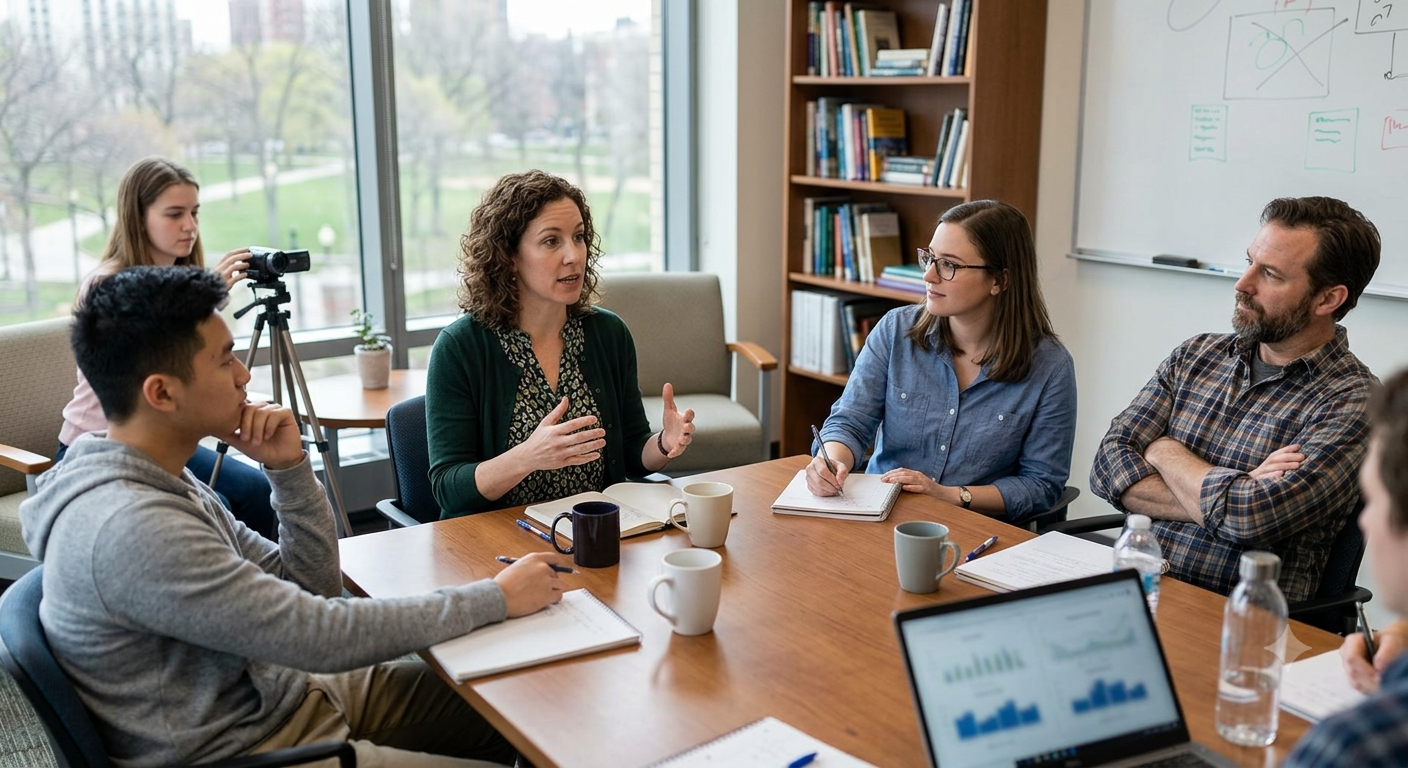
Psychology contains several specialized branches. Students can choose an area based on whether they are interested in mental health, research, education, business, neuroscience, children, sports, or social behaviour.
Major areas include:
- Clinical Psychology — assessment and treatment of psychological difficulties
- Counseling Psychology — supporting people with emotional, social, educational, and life challenges
- Industrial/Organizational Psychology — understanding behaviour in workplaces
- Child Psychology — studying children's development, behaviour, and emotional needs
- Educational Psychology — understanding learning and educational development
- Cognitive Psychology — studying memory, attention, thinking, and decision-making
- Social Psychology — studying how people influence one another
- Forensic Psychology — applying psychology to legal and criminal justice settings
- Sports Psychology — supporting performance, motivation, and mental preparation
- Neuropsychology — studying relationships between brain function and behaviour
- Health Psychology — understanding psychological factors affecting health
- Consumer Psychology — studying how people make purchasing and brand decisions
- Developmental Psychology — studying psychological changes across the lifespan
- Research Psychology — conducting scientific studies of human behaviour
What Does a Psychologist Do?
The daily responsibilities of a psychologist depend heavily on the area of specialization. A clinical professional may conduct assessments and provide psychological interventions, while an organizational psychologist may study workplace behaviour and employee engagement.
Typical responsibilities can include:
- Conducting psychological assessments
- Interviewing and observing individuals
- Studying behavioural patterns
- Designing research studies
- Analyzing psychological data
- Providing counseling or psychological interventions where appropriately qualified
- Developing behavioural programs
- Working with families, schools, hospitals, or organizations
- Writing professional reports
- Teaching psychology students
- Conducting workshops and awareness programs
- Collaborating with doctors, educators, HR teams, researchers, and other professionals
Psychology is a people-oriented profession, but it is also a scientific discipline. Strong psychologists need to understand research methods, evidence, statistics, assessment techniques, and ethical standards rather than relying only on intuition or personal experience.
Career Opportunities
Psychology provides career options across healthcare, education, business, sports, research, technology, government, and social services.
Popular career roles include:
- Clinical Psychologist
- Counseling Psychologist
- School Psychologist / School Counselor
- Industrial/Organizational Psychologist
- Sports Psychologist
- Forensic Psychology Professional
- Child and Adolescent Psychology Professional
- Neuropsychology Professional
- Consumer Behaviour Analyst
- UX Researcher
- Behavioural Researcher
- Human Resources Specialist
- Learning and Development Specialist
- Research Associate
- Psychology Lecturer / Professor
- Mental Health Program Coordinator
- Behavioural Consultant
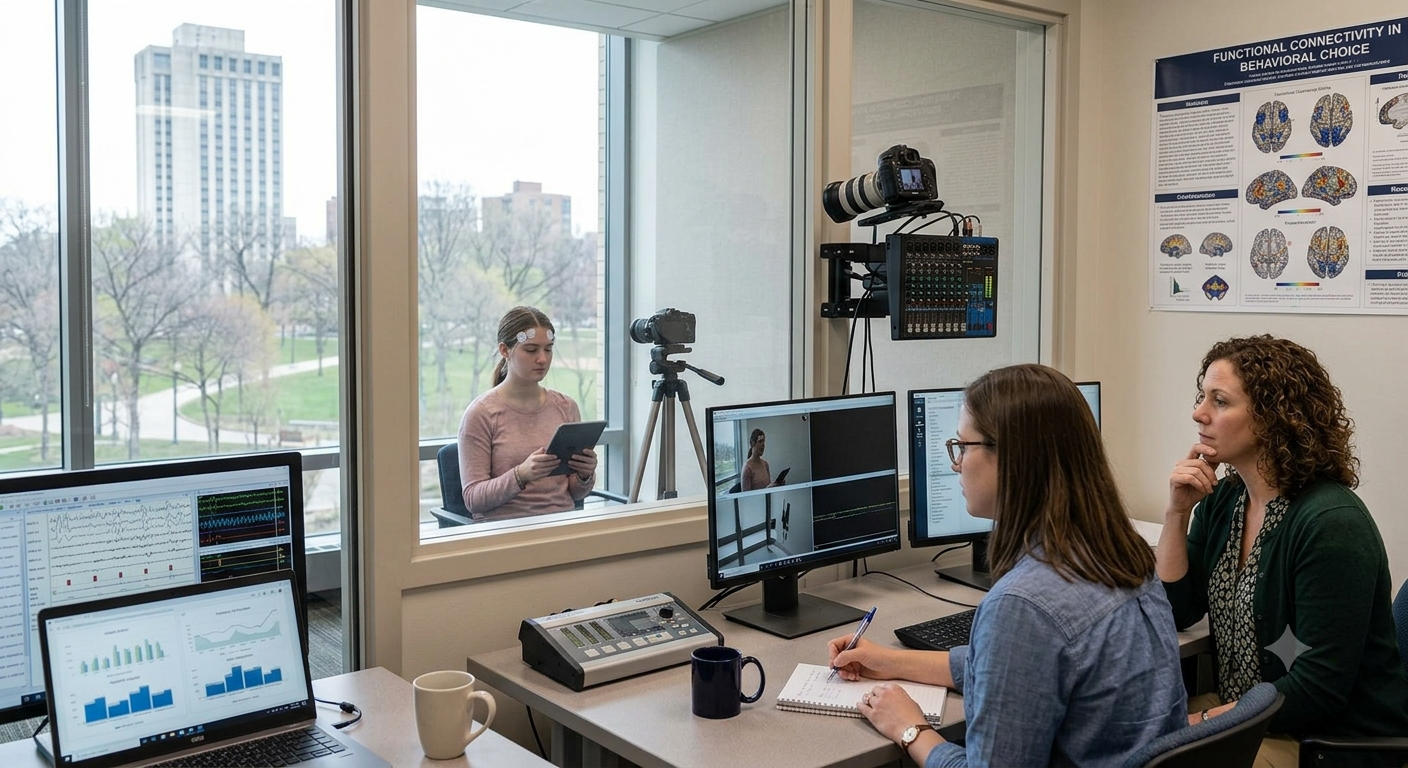
Not every psychology graduate becomes a therapist. Many professionals use their understanding of human behaviour in areas such as human resources, user experience research, market research, education, advertising, organizational development, and behavioural consulting.
Career Pathway
The educational pathway depends on the career you want to pursue. A bachelor's degree can provide the foundation, while specialized postgraduate education is generally important for advanced professional and research roles.
A common pathway is:
Students interested in clinical practice should pay particular attention to the current professional qualification and registration requirements applicable in India. Requirements can differ depending on the exact professional title, qualification, institution, and type of practice.
Psychology Courses
Students can enter psychology through undergraduate programs and later specialize through postgraduate and research degrees.
Popular courses include:
- B.A. Psychology
- B.Sc. Psychology
- B.A. Applied Psychology
- B.Sc. Applied Psychology
- M.A. Psychology
- M.Sc. Psychology
- M.A. Clinical Psychology
- M.A. Counseling Psychology
- M.Sc. Clinical Psychology
- M.A. Organizational Psychology
- M.A. Industrial Psychology
- M.Sc. Neuropsychology
- Ph.D. in Psychology
- Ph.D. in Behavioural Sciences
Students should choose a postgraduate program according to their intended career. Someone interested in therapy and psychological assessment will need a different training pathway from someone interested in corporate psychology, academic research, UX research, or consumer behaviour.
Entrance Exams & Admissions
Admission procedures vary considerably between universities and programs. Some institutions use entrance examinations, while others use merit-based admission or a combination of academic performance and entrance scores.
Possible admission routes include:
- CUET-UG for participating undergraduate programs
- CUET-PG for participating postgraduate programs
- University-specific psychology entrance examinations
- Merit-based university admissions
- Interviews and written assessments for selected programs
- Institution-specific selection procedures for advanced psychology courses
Students should always check the latest eligibility requirements, subject combinations, entrance examination rules, and professional recognition status directly with the institution before applying.
Top Institutes in India
India has several well-known institutions offering psychology, behavioural science, mental health, and related programs.
Some prominent institutions include:
- National Institute of Mental Health and Neuro Sciences (NIMHANS), Bengaluru
- Tata Institute of Social Sciences (TISS), Mumbai
- University of Delhi
- Christ University, Bengaluru
- Ambedkar University Delhi
- Jamia Millia Islamia
- University of Calcutta
- Banaras Hindu University (BHU)
- Aligarh Muslim University (AMU)
- Savitribai Phule Pune University
When selecting a psychology program, students should consider faculty expertise, practical training, research opportunities, laboratory facilities, internships, specialization options, professional recognition, and the career outcomes associated with the course.
Clinical Psychology
Clinical psychology focuses on understanding, assessing, and addressing psychological and emotional difficulties. Clinical psychologists may work in hospitals, mental health institutions, rehabilitation settings, educational environments, research institutions, and other professional settings depending on their qualifications and registration.
Training in this area requires strong knowledge of psychological assessment, research methodology, clinical theory, ethical practice, and supervised professional experience.
Students who specifically want to become clinical psychologists in India should carefully verify the current requirements of the relevant regulatory and professional bodies before choosing a course, as qualification pathways and recognition requirements can change over time.
Counseling Psychology
Counseling psychology focuses on helping individuals deal with emotional, social, educational, relationship, career, and life-related challenges.
Counseling professionals may work in schools, universities, organizations, community settings, NGOs, wellness programs, and other environments depending on their training and professional scope.
Important areas can include stress management, relationships, adjustment, career development, personal growth, emotional well-being, and coping strategies.
Industrial & Organizational Psychology
Industrial and Organizational Psychology, often called I/O Psychology, applies psychological principles to workplaces. It studies how employees behave, communicate, learn, perform, and interact within organizations.
I/O professionals may work on:
- Employee selection and assessment
- Leadership development
- Employee engagement
- Workplace motivation
- Organizational culture
- Training and development
- Performance management
- Workplace well-being
- Team dynamics
- Change management
This specialization can be particularly attractive to students who enjoy psychology but also want to work in corporate environments and business organizations.
Psychology & Neuroscience
Neuroscience explores how the brain and nervous system influence cognition, emotions, memory, perception, and behaviour. Psychology increasingly overlaps with neuroscience through fields such as cognitive neuroscience and neuropsychology.
Students interested in this area may study brain imaging, cognitive processes, memory, attention, language, decision-making, and the relationship between brain functioning and behaviour.
This area often requires strong research skills and may involve collaboration between psychologists, neuroscientists, doctors, biologists, and computational researchers.
Psychology & Consumer Behaviour
Businesses use behavioural insights to understand why people choose products, respond to advertisements, develop brand preferences, and make purchasing decisions.
Consumer psychology professionals may contribute to:
- Market research
- Consumer interviews
- Behavioural experiments
- Advertising research
- Brand strategy
- Customer experience
- Product research
- Decision-making studies
- User behaviour analysis
Psychology & UX Research
Technology companies increasingly study how people interact with websites, applications, devices, and digital products. Psychology graduates can apply their understanding of perception, attention, memory, motivation, and decision-making to user research.
UX researchers may conduct interviews, usability studies, surveys, behavioural analysis, and experiments to understand user needs and improve digital experiences.
This pathway is especially suitable for students who enjoy psychology but also have an interest in technology and product design.
Psychology & Sports
Sports psychology examines the mental factors that influence athletic performance and participation. Motivation, concentration, confidence, goal-setting, stress management, teamwork, and performance anxiety can all affect athletes.
Sports psychology professionals may work with individual athletes, teams, coaches, academies, schools, fitness organizations, and sports institutions.
The field combines psychological knowledge with an understanding of training environments, performance goals, competition, and athlete well-being.
Psychology & Education
Educational psychology focuses on how people learn and how educational environments can be improved. Professionals study memory, motivation, learning differences, classroom behaviour, assessment, and child development.
Career opportunities may exist in schools, universities, educational technology companies, learning organizations, research institutions, and student support services.
Salary Range in India
Income in psychology varies widely depending on specialization, qualifications, experience, location, employer, and whether the professional works independently or within an organization.
Indicative salary ranges may include:
- School Counselor / Psychology Graduate — ₹3–5 LPA
- Mental Health Program Coordinator — ₹4–7 LPA
- Psychology Research Assistant — ₹4–7 LPA
- Clinical Psychology Professional — ₹5–10 LPA
- Organizational Psychology Professional — ₹7–15+ LPA
- Behavioural / Consumer Researcher — ₹6–15 LPA
- UX Researcher — ₹7–18+ LPA
- Senior Psychology / Behavioural Consultant — ₹10–25+ LPA
- Private Practice — Income varies significantly by experience, specialization, location, and client base
Private practice can have a very different income structure from salaried employment. Earnings depend on professional qualifications, experience, specialization, number of sessions, location, reputation, and operating costs.
Skills Required
Psychology requires both interpersonal sensitivity and scientific thinking. Being a good listener is valuable, but professional psychology also requires research knowledge, ethical judgment, analytical skills, and the ability to maintain appropriate boundaries.
Important skills include:
- Active listening
- Empathy
- Clear communication
- Critical thinking
- Observation
- Research methodology
- Statistical reasoning
- Problem-solving
- Emotional resilience
- Professional boundary-setting
- Ethical decision-making
- Report writing
- Interpersonal skills
- Patience
- Ability to work with diverse individuals
Students interested in research-oriented psychology should also develop skills in statistics, experimental design, data analysis, academic writing, and research software. Those interested in corporate or technology careers can additionally benefit from presentation skills, business understanding, user research, and data visualization.
Research in Psychology
Research is one of the foundations of modern psychology. Researchers use experiments, surveys, interviews, observations, psychological assessments, longitudinal studies, and other scientific methods to understand behaviour.
Research topics can range from memory and learning to mental health, relationships, child development, workplace behaviour, decision-making, social influence, and technology use.
Students who enjoy asking questions and analyzing evidence may find academic and research careers particularly rewarding.
Psychology & Behavioural Data
The growth of digital platforms has created enormous amounts of behavioural data. Researchers and organizations increasingly study patterns in user activity, decision-making, attention, engagement, and preferences.
Psychology graduates who develop additional skills in statistics, programming, data visualization, and research methodology can work at the intersection of behavioural science and data analytics.
This combination can open opportunities in consumer research, technology, marketing analytics, UX research, organizational analytics, and behavioural research.
Mental Health & Society
Mental health awareness has become an increasingly important part of public discussion. Schools, universities, workplaces, hospitals, NGOs, and community organizations are developing programs aimed at improving psychological well-being and reducing stigma.
Psychology professionals can contribute through research, education, counseling-related roles, awareness campaigns, workplace programs, community initiatives, and evidence-based interventions within their professional scope.
The growing focus on mental well-being is also creating demand for professionals who understand both psychological science and the social factors that influence mental health.
Ethics in Psychology
Psychology involves working with sensitive personal information and vulnerable individuals, making ethical practice extremely important.
Professionals must understand confidentiality, informed consent, professional boundaries, appropriate assessment practices, responsible research conduct, and respect for individual differences.
Ethical awareness is particularly important for anyone working in clinical, counseling, research, educational, or organizational settings.
Future Scope
Psychology and Behavioural Sciences are expanding beyond traditional clinical and academic settings. Growing awareness of mental health, workplace well-being, digital behaviour, consumer decision-making, and human-centered technology is creating new areas of specialization.
Technology is also changing the field. Digital mental health platforms, online research, behavioural analytics, neuroscience, artificial intelligence, and human-computer interaction are creating opportunities at the intersection of psychology and technology.
Organizations are increasingly interested in understanding employee behaviour, customer decisions, leadership, workplace culture, learning, and user experience. This makes behavioural science increasingly relevant to business and technology.
At the same time, continued research into cognition, neuroscience, developmental psychology, social behaviour, and mental health means that traditional scientific and academic pathways remain important.
Entrepreneurship & Psychology
Psychology graduates can also explore entrepreneurship by developing services, educational programs, research organizations, wellness initiatives, behavioural consulting firms, HR solutions, or technology products.
Entrepreneurship in this field requires more than psychological knowledge. Professionals also need to understand business planning, communication, marketing, technology, ethical responsibilities, and the needs of the people they serve.
Is Psychology & Behavioural the Right Career for You?
Psychology can be an excellent career for students who are genuinely curious about people and enjoy understanding why individuals think, feel, and behave differently.
You may enjoy Psychology & Behavioural Sciences if you:
- Are naturally curious about human behaviour
- Enjoy listening to and understanding people
- Have strong communication skills
- Like analyzing patterns and information
- Are interested in emotions, cognition, and relationships
- Enjoy research and scientific thinking
- Can maintain professional boundaries
- Are patient and willing to listen carefully
- Enjoy working with people from different backgrounds
- Want to create positive social impact
However, psychology may not be the right choice if you expect the degree alone to immediately qualify you for every professional psychology role. Some specialized careers require substantial postgraduate education, supervised training, professional recognition, and ongoing development.
It is also important to understand that helping people with serious psychological difficulties requires professional training. Personal empathy and life experience are valuable qualities, but they cannot replace formal education, supervised practice, ethical training, and appropriate professional qualifications.
Final Thoughts
Psychology & Behavioural Sciences offer one of the most fascinating ways to understand what makes people think, feel, learn, decide, and interact. The field combines scientific investigation with a deep understanding of human experience.
A psychology graduate can move toward clinical and counseling-related careers, research, education, organizational psychology, consumer behaviour, UX research, sports psychology, neuroscience, public programs, or behavioural consulting.
For students who are curious about people and willing to develop both scientific and interpersonal skills, psychology can provide a highly flexible career foundation.
As society places greater importance on mental health, workplace well-being, human-centered technology, behavioural data, and evidence-based decision-making, professionals who understand human behaviour are likely to remain valuable across healthcare, education, business, research, and technology.