Performing arts have been a fundamental part of human culture for thousands of years. From traditional Indian classical dance and music to contemporary theatre, cinema, concerts, television, and digital entertainment, performance has always been a powerful way for people to communicate stories, emotions, ideas, and cultural experiences.
Today, the performing arts industry extends far beyond the traditional stage. Film studios, television networks, OTT platforms, music labels, live-event companies, advertising agencies, theatre groups, cultural institutions, and digital creators have created a much larger ecosystem for performers and creative professionals.
A career in performing arts is therefore not limited to becoming an actor, singer, or dancer. Every successful production requires directors, choreographers, musicians, writers, costume professionals, stage managers, lighting designers, sound engineers, casting professionals, producers, and many other specialists working together.
What are the Performing Arts?
Performing arts are creative disciplines in which artists communicate ideas, stories, emotions, or experiences through live or recorded performance. The major branches include music, dance, drama, theatre, acting, and related forms of stage and screen performance.
Unlike many academic disciplines where the final outcome is primarily written or theoretical, performing arts require artists to use their bodies, voices, movements, musical abilities, expressions, timing, and presence to communicate with an audience.
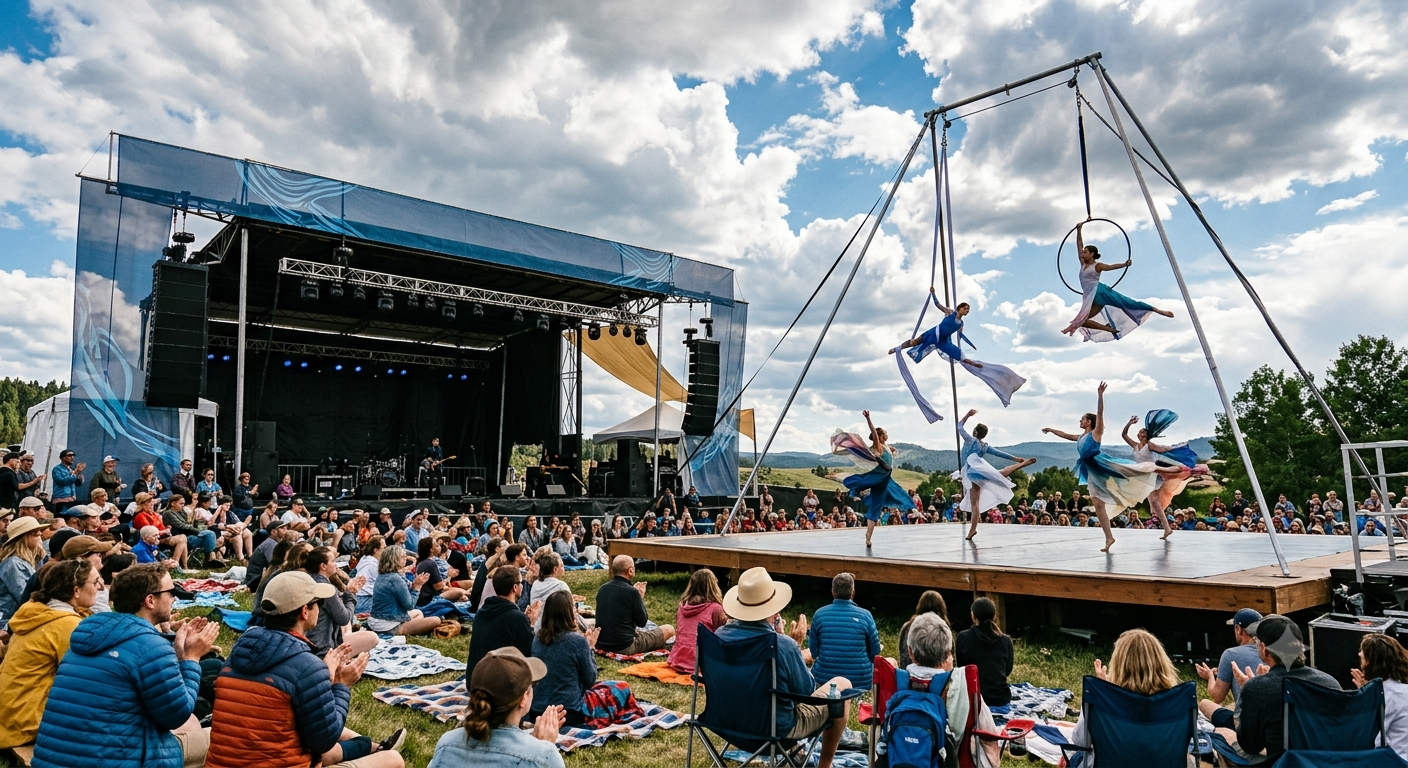
Performances may take place in theatres, concert halls, studios, film sets, television productions, cultural festivals, schools, corporate events, digital platforms, and public spaces.
Major Areas of Performing Arts
The performing arts contain several specialized disciplines. Students should explore different areas before deciding which form of performance best matches their interests, abilities, and long-term goals.
Major areas include:
- Acting
- Theatre
- Classical Dance
- Contemporary Dance
- Music
- Singing
- Instrumental Performance
- Choreography
- Theatre Direction
- Musical Theatre
- Voice Performance
- Puppetry
- Circus and Physical Theatre
- Performance Art
Performing arts can also overlap with filmmaking, digital content creation, advertising, gaming, animation, live events, and education. This allows creative professionals to build careers across multiple industries rather than remaining limited to one traditional performance environment.
Career Opportunities
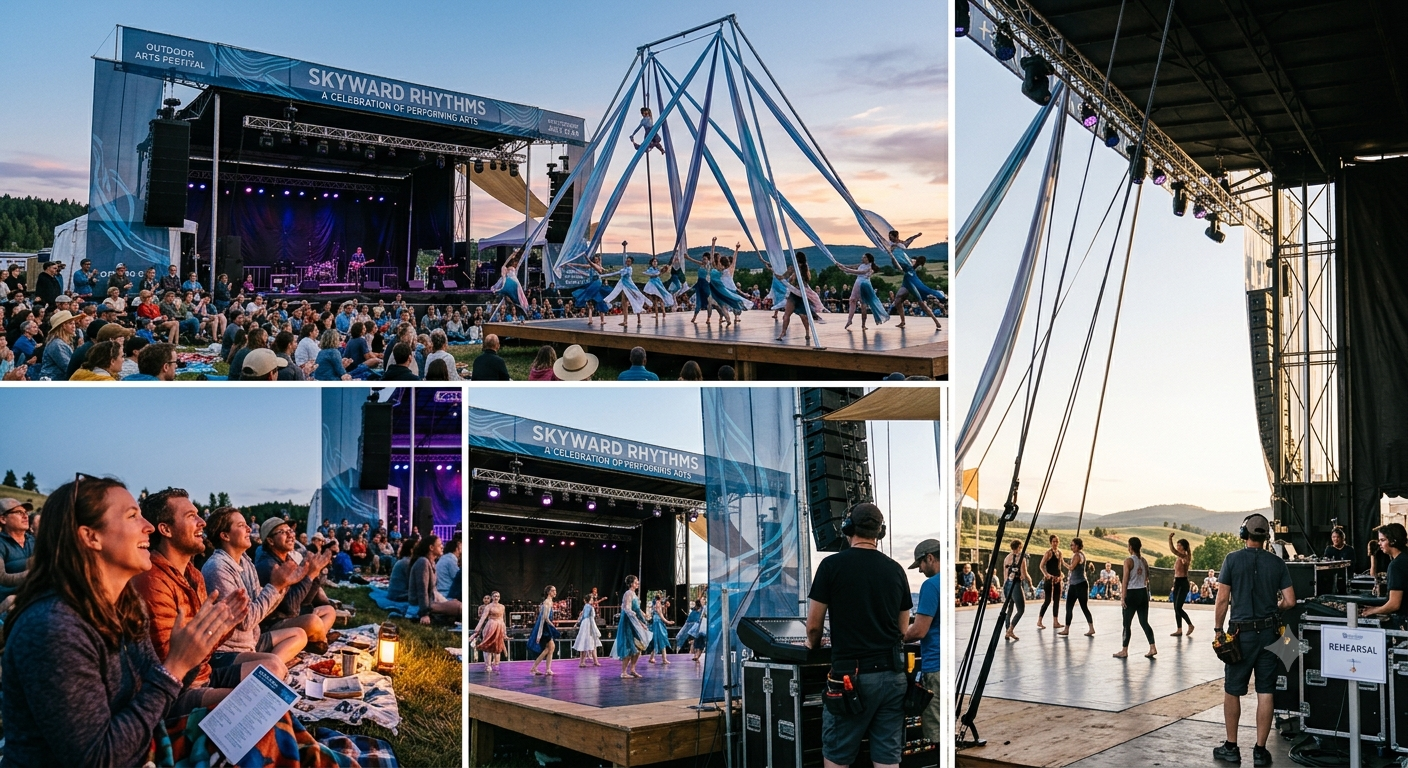
The performing arts ecosystem offers opportunities both on stage and behind the scenes. Some professionals build careers around performance itself, while others specialize in producing, directing, designing, or managing performances.
Popular career options include:
- Actor
- Theatre Actor
- Film / Television Actor
- Voice-over Artist
- Dubbing Artist
- Singer
- Playback Singer
- Instrumentalist
- Classical Musician
- Dancer
- Choreographer
- Theatre Director
- Assistant Director
- Artistic Director
- Stage Manager
- Performance Coach
- Casting Professional
- Entertainment Producer
- Set Designer
- Lighting Designer
- Sound Designer
Acting as a Career
Acting involves using voice, movement, expression, emotional interpretation, and character development to communicate a story or idea. Actors may work in theatre, films, television, advertisements, web series, voice acting, educational productions, and digital media.
Theatre acting often emphasizes live interaction with an audience, while screen acting requires performers to understand cameras, close-up expressions, continuity, and the technical demands of film and television production.
Aspiring actors usually benefit from consistent training, practical performance experience, auditions, networking, and the development of a professional portfolio.
- Theatre Acting
- Film Acting
- Television Acting
- OTT / Web Series
- Commercial Advertising
- Voice Acting
- Dubbing
- Character Performance
- Improvisational Acting
Dance as a Career
Dance combines physical movement, rhythm, expression, technique, and storytelling. India has a particularly rich dance tradition, with classical forms such as Bharatanatyam, Kathak, Odissi, Kuchipudi, Manipuri, Mohiniyattam, and Kathakali alongside contemporary, Western, hip-hop, jazz, and commercial dance styles.
Professional dancers may perform on stage, in films, music videos, television productions, cultural events, competitions, or international performances. Experienced dancers may eventually move into choreography, teaching, artistic direction, or production.
- Classical Dancer
- Contemporary Dancer
- Commercial Dancer
- Dance Instructor
- Choreographer
- Dance Director
- Movement Coach
- Dance Academy Founder
Music as a Career
Music is one of the broadest areas within the performing arts. Careers can involve vocal performance, instrumental performance, composition, conducting, music education, studio recording, live performance, or music production.
Professional musicians can work independently or collaborate with film studios, music labels, theatre companies, orchestras, concert organizers, advertising agencies, and digital platforms.
Modern musicians can also build direct relationships with audiences through streaming platforms, social media, live performances, and independent music releases.
- Singer
- Playback Singer
- Classical Vocalist
- Instrumentalist
- Composer
- Music Director
- Session Musician
- Orchestra Performer
- Music Teacher
- Live Performer
Theatre & Stage Production
Theatre is a collaborative art form requiring performers and production professionals to work together. A theatre production may involve actors, directors, writers, designers, musicians, lighting professionals, costume teams, stage managers, technicians, and producers.
Theatre provides performers with valuable experience in voice projection, movement, improvisation, character development, teamwork, and live audience interaction.
For many actors and directors, theatre also provides an important foundation before moving into film, television, or digital entertainment.
- Theatre Actor
- Theatre Director
- Playwright
- Stage Manager
- Set Designer
- Costume Designer
- Lighting Designer
- Sound Designer
- Theatre Producer
- Artistic Director
Career Pathway
There is no single route into the performing arts. Unlike many conventional professions, creative careers can be built through a combination of formal education, specialized training, workshops, mentorship, auditions, performance experience, and professional networking.
A general academic pathway can look like:
Students do not necessarily need a conventional degree to become performers. In many disciplines, practical training and professional experience can be equally important. However, formal education can provide structured training, exposure to different artistic traditions, mentorship, performance opportunities, and access to professional networks.
Specialized Training
Performing arts depend heavily on practice. A student may have natural talent but still require years of structured training to develop professional-level technique.
Depending on the discipline, training may include:
- Acting Workshops
- Voice Training
- Classical Dance Training
- Contemporary Dance Training
- Music Theory
- Instrumental Training
- Stage Movement
- Improvisation
- Public Performance
- Camera Acting
- Audition Preparation
- Physical Conditioning
Building a Performance Portfolio
A strong portfolio helps performers demonstrate their abilities to directors, producers, casting professionals, event organizers, collaborators, and audiences.
Depending on the discipline, a portfolio may include photographs, performance videos, showreels, recordings, stage credits, competition achievements, training certificates, reviews, and links to previous work.
Performers should continually update their portfolio as they gain experience and develop new skills.
- Professional Headshots
- Acting Showreel
- Dance Performance Videos
- Music Recordings
- Stage Credits
- Short Film Credits
- Competition Achievements
- Training and Workshop Certificates
- Professional Biography
- Online Portfolio
Top Institutes in India
India has several respected institutions and academies offering specialized education and training in theatre, film, dance, music, and related performing arts.
Some prominent options include:
- National School of Drama (NSD), New Delhi
- Film and Television Institute of India (FTII), Pune
- Kalakshetra Foundation, Chennai
- KM Music Conservatory, Chennai
- Bhatkhande Sanskriti Vishwavidyalaya, Lucknow
- Faculty of Performing Arts, Banaras Hindu University
- University of Delhi
- Rabindra Bharati University, Kolkata
- Sangeet Natak Akademi-affiliated institutions and academies
Students should select an institution according to their specific discipline. An aspiring theatre actor may prioritize acting and stage training, while a musician may need access to specialist faculty, instruments, performance spaces, ensembles, and music production facilities.
Entertainment Industry
The entertainment industry has expanded significantly with the growth of cinema, television, OTT platforms, music streaming, digital advertising, live events, and social media. This has created new opportunities for performers and creative professionals.
Performers can now work across several formats instead of relying exclusively on traditional film or theatre industries.
Major performance opportunities include:
- Feature Films
- Television
- OTT / Web Series
- Theatre Productions
- Music Videos
- Concerts
- Live Events
- Advertising
- Digital Content
- Corporate Events
- Cultural Festivals
- International Performances
Digital Media & Performing Arts
Digital platforms have changed the way performers reach audiences. Artists can publish performances, music, dance videos, short films, interviews, behind-the-scenes content, and educational material directly to online audiences.
This has created opportunities for independent artists who may not immediately have access to large production houses or traditional entertainment networks.
However, digital visibility also requires consistency, content planning, audience engagement, personal branding, and an understanding of online platforms.
Behind-the-Scenes Careers
Not everyone interested in performing arts wants to perform in front of an audience. Many creative professionals build successful careers behind the stage or camera.
These professionals are responsible for transforming creative ideas into complete productions.
Career options include:
- Theatre Director
- Creative Producer
- Production Manager
- Stage Manager
- Casting Director
- Set Designer
- Costume Designer
- Lighting Designer
- Sound Designer
- Makeup Artist
- Choreography Assistant
- Artistic Coordinator
Salary Range in India
Performing arts is one of the most variable career fields in terms of income. Earnings can depend on experience, reputation, discipline, location, project size, audience reach, production budget, and the number of projects completed.
Unlike conventional careers where employees may receive a fixed annual salary, many performers work on a project, performance, contract, or freelance basis.
Indicative earning levels can include:
- Beginning Theatre Performer / Background Artist — ₹1–3 LPA
- Junior Theatre / Production Professional — ₹3–6 LPA
- Established Voice Artist / Performer — ₹5–12 LPA
- Experienced Choreographer / Creative Professional — ₹6–15+ LPA
- Established Theatre Director / Artistic Professional — ₹6–15+ LPA
- Mainstream Film / Television Performer — Highly Variable
- Successful Independent Performer / Artist — Highly Variable
Income can increase significantly as an artist develops a strong reputation, audience base, professional network, and body of work. At the same time, beginners should be prepared for periods where projects may be irregular and earnings may fluctuate.
Skills Required
Talent is important in the performing arts, but professional success usually requires much more than natural ability. Artists need discipline, continuous practice, emotional intelligence, adaptability, and the ability to perform consistently under pressure.
Important skills include:
- Expressive communication
- Creativity and imagination
- Stage presence
- Emotional intelligence
- Strong voice and body control
- Physical stamina
- Discipline and regular practice
- Confidence
- Improvisation
- Teamwork
- Adaptability
- Time management
- Professional networking
- Self-promotion and personal branding
- Ability to handle criticism and rejection
Importance of Discipline
Performing arts careers can appear glamorous from the outside, but professional performers often spend years developing their skills. Rehearsals, auditions, practice sessions, physical training, recording sessions, and performances can require significant commitment.
A disciplined performer understands that improvement comes from repeated practice rather than talent alone. Consistency is especially important in dance, music, acting, and other performance disciplines where technical ability must become almost instinctive.
Auditions & Professional Networking
Auditions are an important part of many performance careers. Actors, dancers, singers, musicians, and other artists may need to regularly audition or submit portfolios for new opportunities.
Professional networking is equally important because performing arts are highly collaborative industries. Building genuine relationships with directors, producers, choreographers, musicians, theatre groups, casting professionals, and fellow performers can lead to future collaborations.
Networking should be viewed as professional relationship-building rather than simply seeking opportunities.
Entrepreneurship in Performing Arts
Performing artists can also become entrepreneurs. Instead of relying entirely on external production companies, experienced professionals can create their own theatre groups, dance academies, music schools, production houses, event companies, creative agencies, or digital entertainment brands.
Entrepreneurial opportunities include:
- Dance Academy
- Music School
- Theatre Company
- Production House
- Event Management Company
- Creative Studio
- Performance Workshop Business
- Talent Management Agency
- Digital Content Studio
- Arts Education Platform
Future Scope
The future of performing arts is increasingly connected to digital entertainment, streaming platforms, live events, gaming, immersive experiences, social media, and international collaboration.
The growth of digital video and music platforms has created additional opportunities for independent performers to reach audiences without relying entirely on traditional gatekeepers.
At the same time, live performances, concerts, theatre festivals, cultural events, and experiential entertainment continue to provide opportunities for artists who want direct interaction with audiences.
Technology & the Performing Arts
Technology is becoming an increasingly important part of modern performance. Digital sound systems, projection mapping, virtual production, motion capture, advanced lighting, recording technologies, and interactive stage systems are changing how performances are created.
Artists who understand both performance and technology can explore emerging opportunities in digital theatre, virtual performances, motion capture, music production, immersive entertainment, and multimedia experiences.
Challenges in the Field
A performing arts career can be deeply rewarding, but it is also highly competitive and unpredictable. There may be periods of frequent work followed by periods with fewer opportunities.
Performers must also deal with auditions, rejection, criticism, irregular schedules, competition, physical demands, and the pressure to continually improve.
Financial planning is therefore important. Many artists maintain multiple income streams through teaching, freelance work, workshops, performances, content creation, or other creative activities while building their primary career.
Is this the Right Career for You?
Performing Arts can be an excellent career choice if you genuinely enjoy expressing yourself through acting, dance, music, theatre, or performance and are willing to dedicate years to developing your craft.
You may enjoy this field if you:
- Love performing in front of people
- Enjoy acting, music, dance, or theatre
- Have strong creative instincts
- Enjoy storytelling and emotional expression
- Are comfortable practicing repeatedly
- Can handle criticism constructively
- Are resilient when facing rejection
- Enjoy collaborating with creative teams
- Are comfortable with flexible work schedules
- Want a career where every project can be different
This career may be challenging if you strongly prefer predictable working hours, guaranteed income, minimal public exposure, or a highly structured career path. Performing arts often require patience and the willingness to build a career gradually.
Final Thoughts
Performing Arts is much more than standing under a spotlight. It is a broad professional ecosystem that combines creativity, technical skill, discipline, storytelling, collaboration, and entrepreneurship.
Whether you dream of becoming an actor, dancer, singer, musician, choreographer, theatre director, voice artist, producer, or backstage creative professional, there are multiple ways to build a career around performance.
The most successful performing artists understand that talent is only the starting point. Consistent training, professional discipline, resilience, networking, adaptability, and a willingness to keep learning are what turn creative potential into a sustainable career.
For students who want their work to communicate emotions, tell stories, entertain audiences, preserve culture, or create new forms of expression, the performing arts can offer one of the most creative and personally fulfilling career journeys.