Health and Medical Sciences offer some of the most meaningful and essential careers in society. Healthcare professionals work to prevent disease, diagnose medical conditions, treat patients, support recovery, conduct research, and improve the quality of human life.
While becoming a doctor is one of the most recognised routes, healthcare is a much broader ecosystem. It includes dentists, nurses, physiotherapists, pharmacists, medical laboratory professionals, radiologists, psychologists, nutritionists, public health specialists, researchers, healthcare managers, and many other professionals.
Rapid advances in biotechnology, medical imaging, artificial intelligence, robotics, telemedicine, genomics, and personalised healthcare are also creating new opportunities for students who want to combine science with technology and patient care.
What are Health & Medical Sciences?
Health and Medical Sciences cover the study and application of biological, medical, and healthcare knowledge to understand the human body, prevent illness, diagnose conditions, provide treatment, and improve health outcomes.
The field includes clinical medicine, dentistry, nursing, pharmacy, physiotherapy, diagnostics, medical laboratory sciences, psychology, nutrition, public health, biomedical research, biotechnology, and other allied healthcare disciplines.
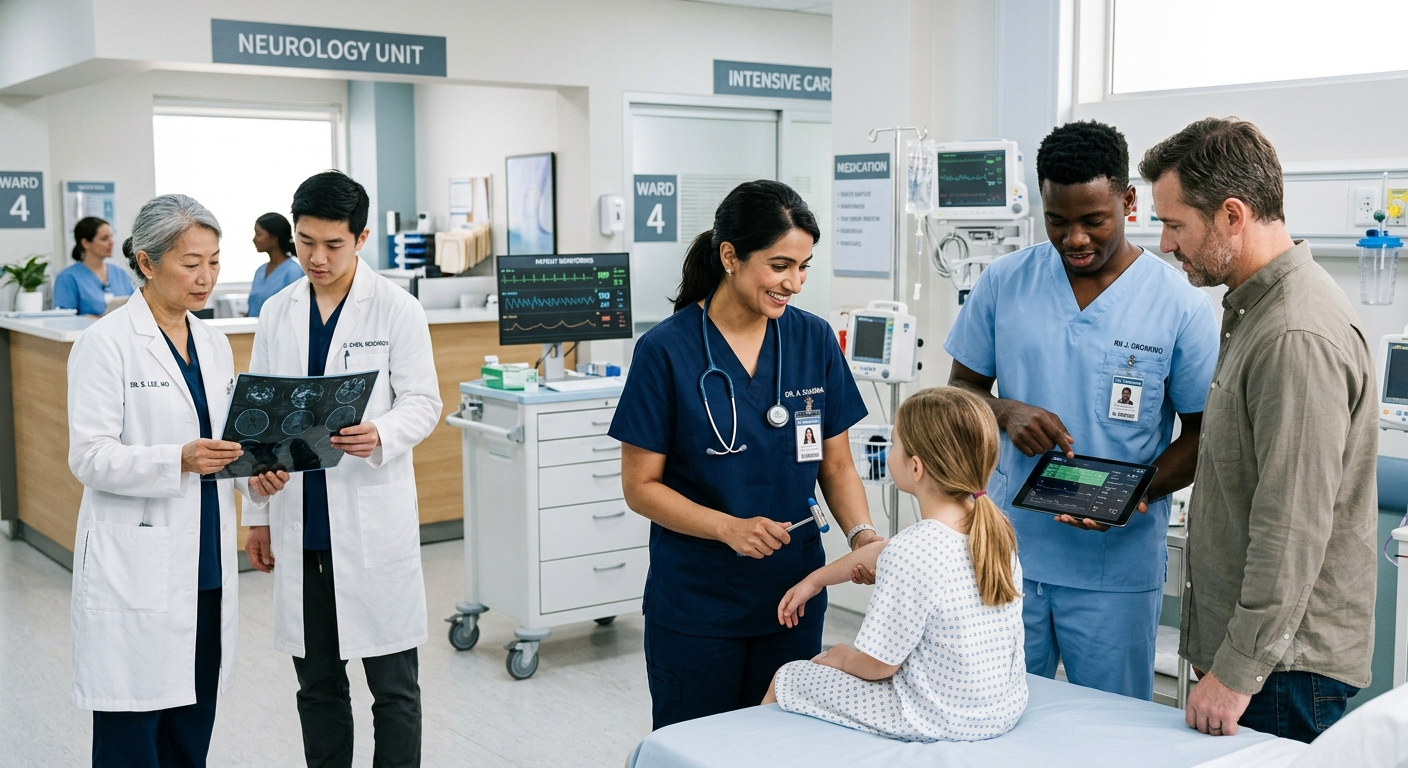
Healthcare is highly collaborative. Doctors, nurses, technicians, therapists, pharmacists, researchers, administrators, and support professionals work together to provide safe and effective patient care.
Career Opportunities
Healthcare offers a wide range of career options depending on your interests, academic background, and preferred area of specialisation.
- Physician / Medical Doctor
- Surgeon
- Dentist
- Nurse
- Pharmacist
- Physiotherapist
- Occupational Therapist
- Clinical Psychologist
- Medical Laboratory Professional
- Radiology / Imaging Professional
- Nutritionist / Dietitian
- Public Health Professional
- Medical Researcher
- Biomedical Scientist
- Healthcare Administrator
- Optometrist
Clinical professionals work directly with patients, while research and laboratory professionals contribute to diagnosis, drug development, medical discoveries, and scientific innovation. Healthcare administrators and public health professionals help manage hospitals, healthcare programs, and population-level health initiatives.
Career Pathway
The pathway depends on the healthcare profession you choose. Medical careers generally require structured academic education, practical training, internships, and in many cases, registration or licensing requirements.
Not every healthcare career requires the same subjects, entrance examination, or training pathway. Students should therefore research the eligibility requirements and professional regulations associated with their chosen course before applying.
Major Areas of Healthcare to Explore
Students can explore several specialised areas within Health and Medical Sciences:
- Clinical Medicine
- Surgery
- Dentistry
- Nursing
- Pharmacy
- Physiotherapy
- Medical Laboratory Sciences
- Radiology and Medical Imaging
- Mental Health and Psychology
- Nutrition and Dietetics
- Public Health
- Biomedical Research
- Biotechnology
- Optometry
- Healthcare Management
- Emergency and Critical Care
Top Medical and Healthcare Institutes in India
India has a large network of medical colleges, hospitals, universities, research institutions, and specialised healthcare institutes. Some widely recognised institutions include:
- All India Institute of Medical Sciences (AIIMS), New Delhi
- Christian Medical College (CMC), Vellore
- Armed Forces Medical College (AFMC), Pune
- Jawaharlal Institute of Postgraduate Medical Education and Research (JIPMER), Puducherry
- Maulana Azad Medical College (MAMC), New Delhi
- Kasturba Medical College (KMC), Manipal
- King George's Medical University (KGMU), Lucknow
- Institute of Medical Sciences, Banaras Hindu University (IMS-BHU), Varanasi
Students should compare medical and healthcare institutions based on accreditation, curriculum, clinical exposure, hospital facilities, faculty, research opportunities, internship structure, and professional recognition.
Entrance Exams
Admission requirements vary significantly depending on the healthcare program. Some important entrance routes include:
- NEET-UG — for undergraduate medical and several other healthcare admissions as applicable
- NEET-PG — for eligible postgraduate medical education
- AIIMS / institute-specific admission routes where applicable
- CUET-UG — for participating universities and relevant programs
- University-specific entrance examinations
- Nursing entrance examinations
- Pharmacy and allied-health admission tests conducted by institutions or authorities
Medical education is highly regulated, and eligibility criteria, admission rules, counselling processes, and entrance examinations can change. Students should always verify the latest requirements from the relevant official examination or regulatory authority.
Salary Range in India
Healthcare salaries vary considerably depending on profession, qualification, specialisation, location, experience, employer, and whether a professional works in public, private, academic, or independent practice.
- Junior Doctor / Medical Officer — ₹6–10 LPA
- Staff Nurse — ₹3–6 LPA
- Allied Health Professional — ₹3–7 LPA
- Dentist — ₹3–8 LPA
- Specialist Doctor — ₹12–25+ LPA
- Senior Specialist / Consultant — ₹20–40+ LPA
- Experienced Surgeon / Super Specialist — ₹30–50+ LPA
Professionals with advanced specialisation, significant clinical experience, research expertise, or successful independent practices may earn considerably more. Salaries also vary significantly across cities, institutions, and healthcare sectors.
Skills Required
Healthcare careers require a combination of scientific knowledge, technical ability, emotional intelligence, and professional responsibility.
- Compassion and Empathy
- Strong Scientific Understanding
- Critical Thinking
- Attention to Detail
- Problem-Solving
- Communication Skills
- Patience and Emotional Resilience
- Teamwork and Collaboration
- Ethical Decision-Making
- Time Management
- Physical and Mental Stamina
- Commitment to Continuous Learning
Research and Innovation in Healthcare
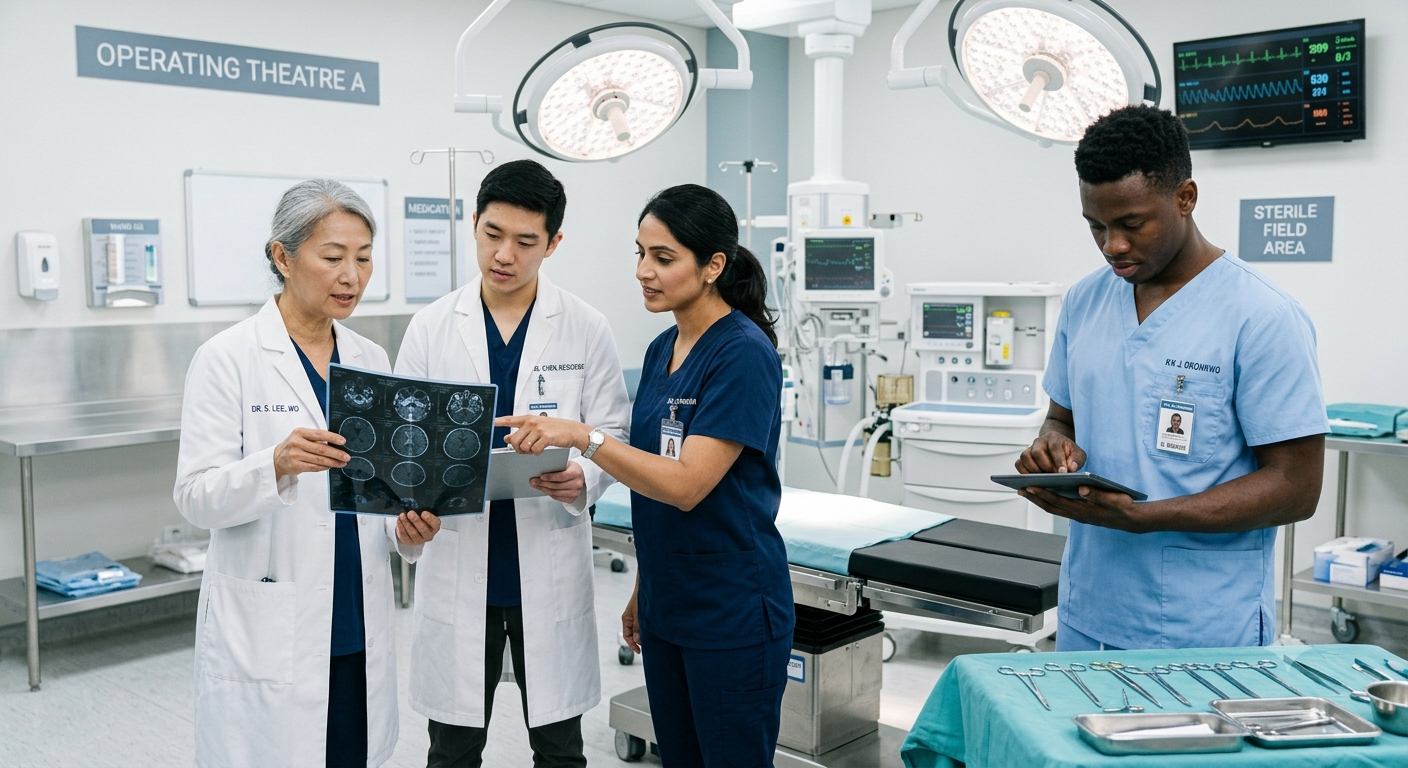
Healthcare is not limited to clinical practice. Medical research plays a critical role in discovering new treatments, improving diagnostic methods, developing medicines, understanding diseases, and creating better healthcare technologies.
Students interested in science and experimentation can explore careers in biomedical research, biotechnology, genetics, genomics, pharmaceutical research, clinical trials, epidemiology, and medical technology.
Technology in Modern Healthcare
Technology is transforming the way healthcare is delivered. Artificial intelligence, digital health platforms, robotic systems, advanced imaging, wearable devices, electronic health records, and telemedicine are becoming increasingly important parts of the healthcare ecosystem.
This creates opportunities for professionals who understand both healthcare and technology. Students with interests in computer science, data science, engineering, biology, and medicine can explore interdisciplinary careers in health technology and biomedical innovation.
- Artificial Intelligence in Healthcare
- Medical Imaging and Diagnostics
- Robotic Surgery
- Telemedicine
- Digital Health
- Health Data Analytics
- Wearable Health Technologies
- Genomics and Precision Medicine
- Biomedical Engineering
- Medical Devices
Future Scope
The demand for healthcare professionals is expected to remain strong as populations grow, life expectancy increases, chronic diseases require long-term management, and healthcare systems expand their reach.
At the same time, healthcare is becoming increasingly technology-driven, creating opportunities across both traditional clinical professions and emerging areas of medical innovation.
- Preventive and Preventive Healthcare
- Telemedicine and Digital Health
- Artificial Intelligence and Medical Analytics
- Robotic and Minimally Invasive Surgery
- Genomics and Personalised Medicine
- Biomedical Research
- Medical Biotechnology
- Public Health and Epidemiology
- Healthcare Management
- Medical Devices and Diagnostics
- Mental Health Services
- Global Healthcare and Medical Research
The future healthcare workforce will increasingly combine clinical expertise with technology, data, research, communication, and patient-centred care. Students who remain open to continuous learning will be better prepared for these changes.
Challenges in Healthcare Careers
Healthcare can be deeply rewarding, but it also comes with significant responsibilities. Medical professionals may work long shifts, handle emergencies, manage emotionally difficult situations, and make decisions that can directly affect patient outcomes.
Many medical careers also require several years of education, practical training, examinations, internships, and postgraduate specialisation. Students should understand the commitment involved before choosing a healthcare profession.
Is Health & Medical Sciences the Right Career for You?
This field could be an excellent career choice if you:
- Genuinely want to help and care for people
- Enjoy Biology, Chemistry and scientific subjects
- Have strong attention to detail
- Can remain calm in stressful situations
- Are patient and emotionally resilient
- Enjoy solving complex problems
- Are comfortable working as part of a healthcare team
- Are willing to study and train for several years
- Can accept responsibility for important decisions
- Are committed to continuous professional learning
However, healthcare may not be the right choice if you are looking for a short educational pathway, dislike high-pressure environments, or are uncomfortable working with illness, injury, emergencies, or emotionally demanding situations. Students should choose a healthcare career based on genuine interest and commitment rather than only prestige or earning potential.
Final Thoughts
Health and Medical Sciences offer students the opportunity to build careers that combine scientific knowledge with meaningful human impact. Whether you dream of becoming a doctor, dentist, nurse, physiotherapist, researcher, medical technologist, psychologist, public health professional, or healthcare manager, there are many pathways to explore.
With healthcare continuing to evolve through biotechnology, artificial intelligence, digital health, robotics, genomics, and advanced diagnostics, the sector offers exciting opportunities for the next generation of professionals. If you are passionate about science, committed to helping others, and willing to take on the responsibility that comes with healthcare, Health & Medical Sciences could be a highly rewarding career path.