As the world grapples with climate change, pollution, deforestation, biodiversity loss, and sustainable development, one field has become more important than ever—Environmental Sciences. It's no longer just about planting trees or studying nature; it's about finding practical solutions to some of the biggest challenges facing humanity.
If you're someone who cares about the environment, enjoys science, and wants to make a real impact on society, Environmental Sciences could be a meaningful and rewarding career choice.
Whether it's improving air quality, managing waste, protecting wildlife, developing renewable energy solutions, or advising governments on environmental policies, professionals in this field play a crucial role in shaping a sustainable future.
What is Environmental Science?
Environmental Science is an interdisciplinary field that combines Biology, Chemistry, Physics, Geography, Geology, Ecology, and Environmental Engineering to understand how natural systems function and how human activities affect the environment.
Unlike many traditional science careers that focus on one subject, Environmental Science requires professionals to look at problems from multiple perspectives and develop solutions that balance environmental protection with economic growth.
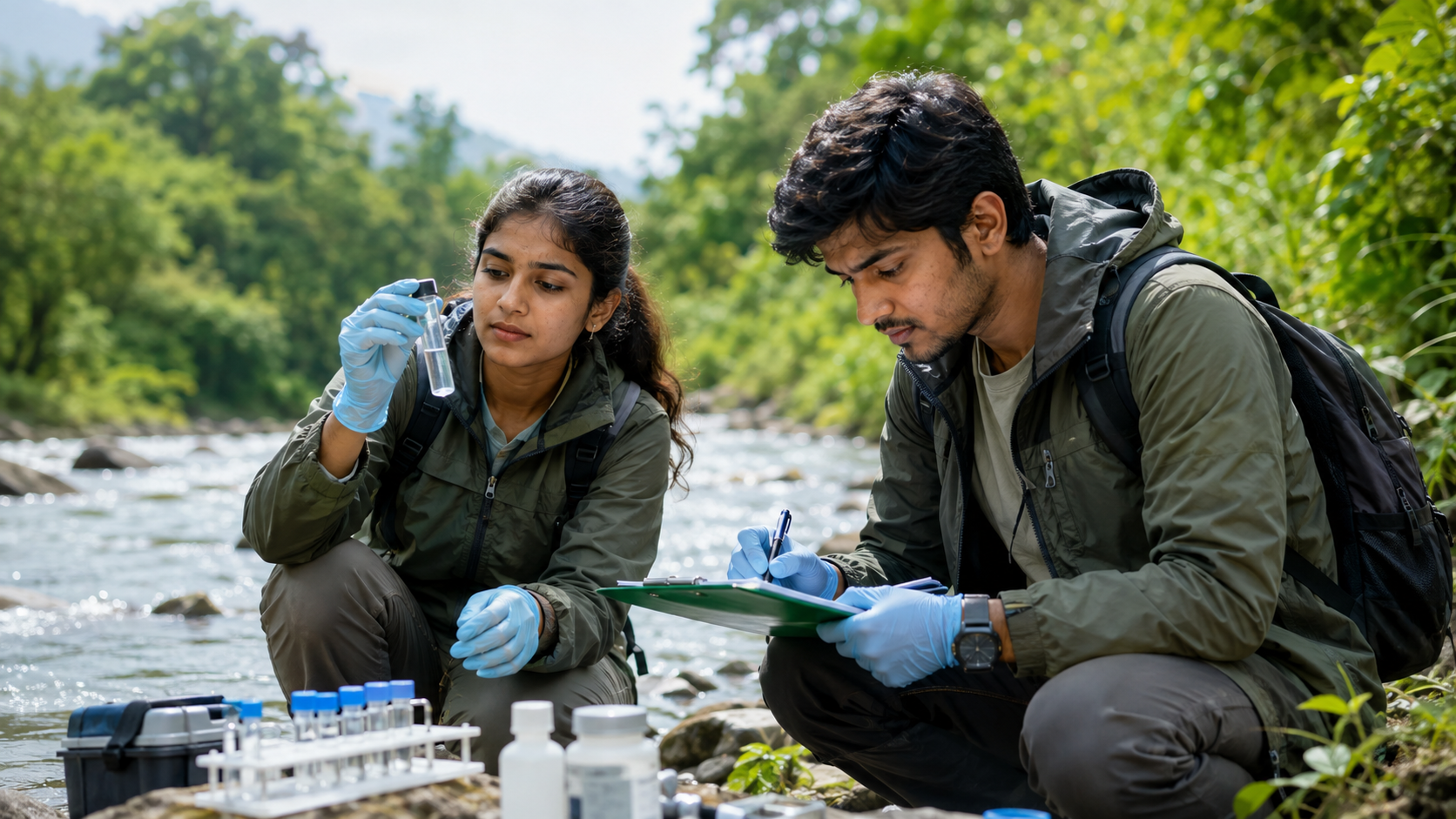
What Does an Environmental Scientist Do?
Environmental professionals work across industries, governments, NGOs, research organizations, and consulting firms. Their responsibilities vary depending on their specialization, but common tasks include:
- Monitoring pollution levels in air, water, and soil
- Conducting environmental impact assessments (EIA)
- Studying ecosystems and biodiversity
- Advising industries on environmental compliance
- Developing sustainable waste management strategies
- Researching climate change and renewable energy
- Conserving forests, wildlife, and natural resources
- Preparing environmental reports and policy recommendations
Many professionals split their time between fieldwork, laboratories, and office-based research, making this a dynamic career rather than a desk-bound job.
Career Pathway
Students from the Science stream (PCB or PCM) generally have the most direct route into Environmental Sciences, although some universities also accept students from interdisciplinary backgrounds.
A typical career pathway looks like this:
Students interested in research may continue towards a Ph.D., while others move into industry, government agencies, environmental consulting, sustainability management, or international organizations.
Popular Courses
Some commonly pursued undergraduate and postgraduate programs include:
- B.Sc. Environmental Science
- B.Sc. Ecology
- B.Sc. Forestry
- B.Tech Environmental Engineering
- B.Sc. Earth Sciences
- M.Sc. Environmental Science
- M.Tech Environmental Engineering
- M.Sc. Climate Science
- M.Sc. Wildlife Conservation
Top Colleges in India
Some of the well-known institutions offering Environmental Science and related programs include:
- University of Delhi
- Jawaharlal Nehru University (JNU)
- Banaras Hindu University (BHU)
- TERI School of Advanced Studies
- Indian Institute of Science (IISc), Bengaluru
- IITs offering Environmental Engineering
- Anna University
- Amity University
- Central University of Rajasthan
- Panjab University
Entrance Exams
Admission depends on the course and institution. Common entrance examinations include:
- CUET-UG (for many central universities)
- CUET-PG (for postgraduate programs)
- JEE Main (for Environmental Engineering courses in some institutes)
- GATE (for M.Tech admissions)
- University-specific entrance examinations or merit-based admissions
Salary Range in India
Salary depends on education, specialization, employer, and experience. Typical salary ranges are:
- Entry-Level — ₹3–6 LPA
- Environmental Consultant — ₹5–9 LPA
- Research Scientist — ₹6–12 LPA
- Government Organizations — ₹5–10 LPA
- Senior Sustainability Manager — ₹12–25+ LPA
Professionals working with multinational companies, international NGOs, renewable energy firms, or climate consulting organizations often receive higher compensation.
Career Roles
Environmental Science offers a wide range of career opportunities, including:
- Environmental Scientist
- Sustainability Consultant
- Climate Change Analyst
- Environmental Consultant
- Ecologist
- Wildlife Conservation Officer
- Air Pollution Analyst
- Water Quality Specialist
- Waste Management Expert
- Environmental Engineer
- ESG (Environmental, Social & Governance) Analyst
- Environmental Policy Advisor
- Research Scientist
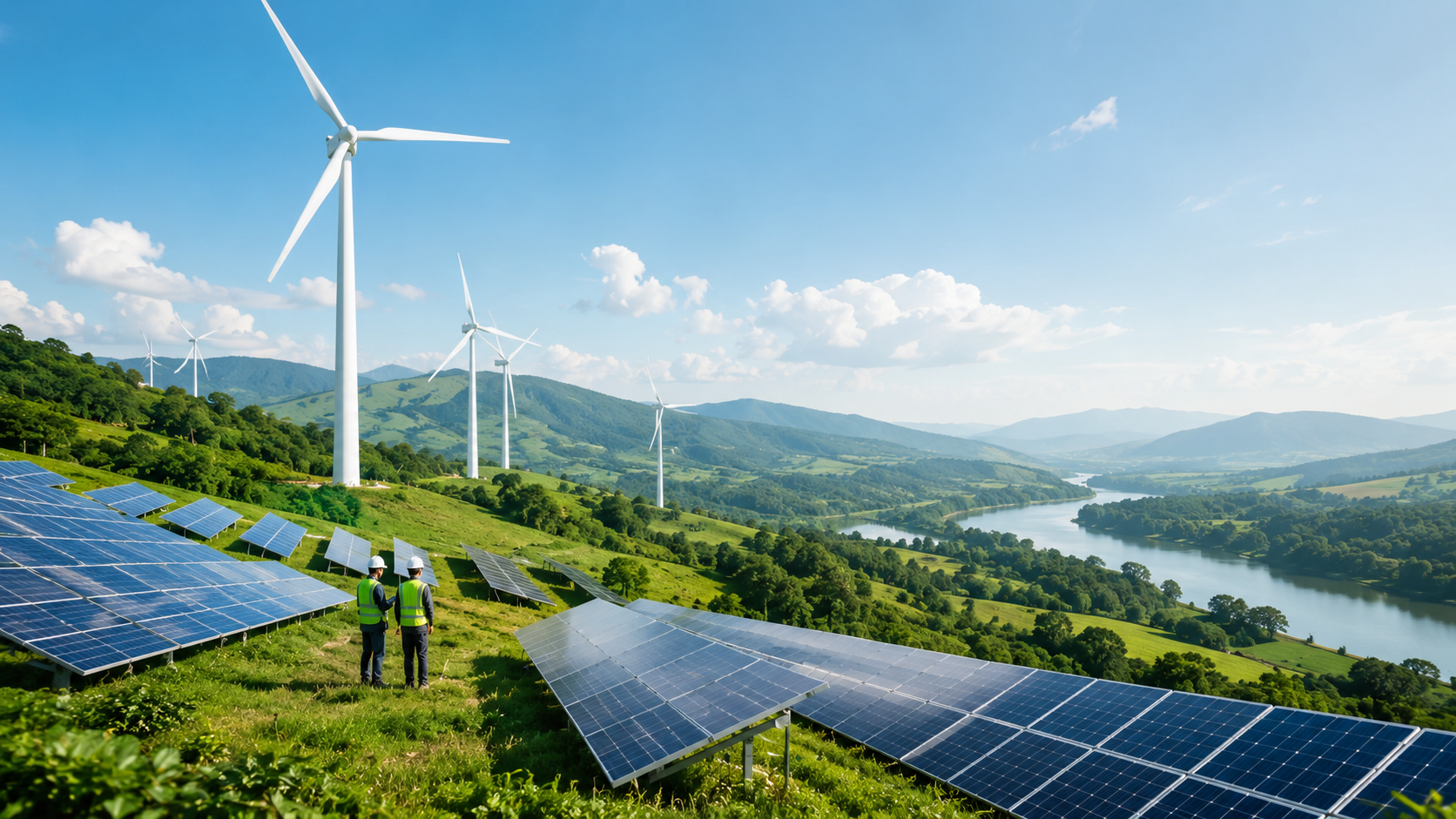
The field continues to diversify as sustainability becomes a priority across industries.
Skills Required
Success in Environmental Sciences goes beyond academic knowledge. Employers often look for candidates who possess:
- Strong analytical thinking
- Curiosity about nature and ecosystems
- Scientific research skills
- Problem-solving ability
- Data analysis
- Field observation techniques
- Report writing
- GIS and mapping tools (advantageous)
- Communication and teamwork
- Awareness of environmental regulations
Since environmental challenges are often complex, professionals need both technical expertise and practical decision-making skills.
Future Scope
The future of Environmental Sciences is extremely promising.
Governments worldwide are investing heavily in renewable energy, climate action, pollution control, waste management, biodiversity conservation, and sustainable infrastructure. Businesses are also adopting Environmental, Social, and Governance (ESG) practices, creating new roles focused on sustainability and environmental compliance.
Emerging areas such as carbon accounting, climate risk assessment, green building certifications, circular economy, environmental data analytics, and sustainable development consulting are generating exciting career opportunities.
With increasing awareness about environmental protection and stricter regulations, the demand for qualified environmental professionals is expected to continue growing across both the public and private sectors.
Is Environmental Science the Right Career for You?
This field could be a great fit if you:
- Enjoy Biology, Chemistry, Geography, or Earth Science
- Care deeply about environmental conservation
- Like research and scientific investigations
- Enjoy both outdoor fieldwork and analytical work
- Want a career that contributes to society and the planet
- Are interested in solving real-world challenges rather than purely theoretical problems
However, if you strongly dislike science, field visits, or research-based work, you may find other career paths more suitable.
Final Thoughts
Environmental Science is much more than studying nature—it is about protecting the future of our planet. As industries move toward sustainability and governments strengthen environmental regulations, professionals with the knowledge to solve environmental challenges will become increasingly valuable.
For students who are passionate about science and want their work to create a positive impact on society, Environmental Sciences offers not only a stable career but also the satisfaction of contributing to a healthier, greener world. In a future driven by sustainability, this is one profession where your work truly has the power to make a difference.