Engineering & Technology is one of the most diverse and influential career sectors in the modern world. Engineers and technology professionals use scientific knowledge, mathematics, creativity, and problem-solving skills to design products, develop software, build infrastructure, improve systems, and create technologies that solve real-world problems.
From smartphones and artificial intelligence to bridges, electric vehicles, robotics, renewable energy systems, medical devices, and advanced manufacturing, engineering and technology are involved in almost every part of modern life.
If you enjoy mathematics, science, computers, machines, designing systems, solving challenging problems, or understanding how things work, Engineering & Technology could be an excellent career choice.
What is Engineering & Technology?
Engineering is the application of scientific principles, mathematics, and technical knowledge to design, build, test, and improve products, systems, structures, and processes. Technology focuses on developing and applying tools, software, systems, and innovations that improve how people and organisations work.
The field includes traditional engineering disciplines such as civil, mechanical, electrical, and chemical engineering as well as rapidly growing areas such as computer science, artificial intelligence, cybersecurity, robotics, data science, semiconductor technology, renewable energy, and advanced manufacturing.

Career Opportunities in Engineering & Technology
One of the biggest advantages of Engineering & Technology is the wide range of specialisations and career paths available. Some of the major roles include:
- Software Engineer
- Computer Engineer
- Mechanical Engineer
- Civil Engineer
- Electrical Engineer
- Electronics Engineer
- Chemical Engineer
- Aerospace Engineer
- AI / Machine Learning Engineer
- Data Engineer
- Cybersecurity Engineer
- Robotics Engineer
- Automotive Engineer
Engineers and technology professionals can work across software companies, manufacturing organisations, automobile companies, construction firms, aerospace companies, energy organisations, research institutions, startups, consulting firms, government organisations, and technology-driven businesses.
Career Pathway
The pathway depends on the engineering discipline or technology specialisation you choose.
For Engineering Degrees
Students can choose a branch based on their interests, strengths, and career goals. Practical projects, internships, technical competitions, and industry exposure can help students understand how engineering concepts are applied to real-world problems.
For Computer Science and Technology Careers
Students interested in software and technology can specialise in areas such as artificial intelligence, machine learning, cloud computing, cybersecurity, data engineering, software development, mobile applications, web technologies, and computer systems.
For Emerging Technologies
Students interested in the technologies shaping the future can explore:
- Artificial Intelligence and Machine Learning
- Robotics and Automation
- Data Science and Analytics
- Cybersecurity
- Cloud Computing
- Internet of Things (IoT)
- Semiconductor and VLSI Technology
- Renewable Energy Technology
- Electric Vehicles
- Aerospace and Space Technology
These emerging areas combine engineering fundamentals with specialised technical knowledge. Students who continuously develop their skills and stay updated with new technologies can explore opportunities across research, industry, entrepreneurship, and innovation.
Top Engineering and Technology Institutes in India
Some of the leading institutions for engineering and technology education in India include:
- Indian Institutes of Technology (IITs)
- National Institutes of Technology (NITs)
- Indian Institute of Information Technology (IIITs)
- Indian Institute of Science (IISc), Bengaluru
- BITS Pilani
- Delhi Technological University (DTU)
- Vellore Institute of Technology (VIT)
- Anna University, Chennai
- Jadavpur University, Kolkata
Students should compare engineering programs based on accreditation, curriculum, faculty, laboratories, industry exposure, internships, research opportunities, placement outcomes, specialisations, and the type of career they want to pursue.
Entrance Exams
Engineering admissions depend on the institution and program. Some of the major entrance examinations include:
- JEE Main — for NITs, IIITs and other participating institutions
- JEE Advanced — for admission to IITs
- BITSAT — for BITS Pilani campuses
- VITEEE — for VIT engineering programs
- MHT-CET — for engineering admissions in Maharashtra
- WBJEE — for participating institutions in West Bengal
- State-level engineering entrance examinations
- University-specific entrance examinations
For most undergraduate engineering programs, students are expected to have studied the required subjects in Class 12. Eligibility, examination patterns, admission rules, and counselling processes vary by institution and should be checked before applying.
Salary Range in India
Salaries in Engineering & Technology vary significantly depending on specialisation, technical skills, experience, industry, location, and organisation. Typical salary ranges include:
- Graduate Engineer / Junior Engineer — ₹4–7 LPA
- Software Engineer — ₹5–12 LPA
- Mechanical / Electrical Engineer — ₹4–8 LPA
- Civil Engineer — ₹3–7 LPA
- Data / AI Engineer — ₹6–15 LPA
- Cybersecurity Professional — ₹5–14 LPA
- Senior Technology Professional — ₹12–30 LPA+
Professionals with strong technical expertise, specialised skills, industry experience, and leadership abilities can progress into senior engineering, technology management, research, consulting, and architecture roles. Professionals working in high-demand areas such as AI, cybersecurity, semiconductors, cloud computing, and advanced technology may also find strong career opportunities.
Skills Required
Success in Engineering & Technology requires strong technical foundations along with creativity, analytical thinking, and the ability to solve complex problems. Important skills include:
- Mathematical and Analytical Thinking
- Problem-Solving
- Technical Knowledge
- Programming / Computational Skills
- Logical Reasoning
- Creativity and Innovation
- Communication
- Teamwork
- Project Management
- Research Skills
- Attention to Detail
- Continuous Learning
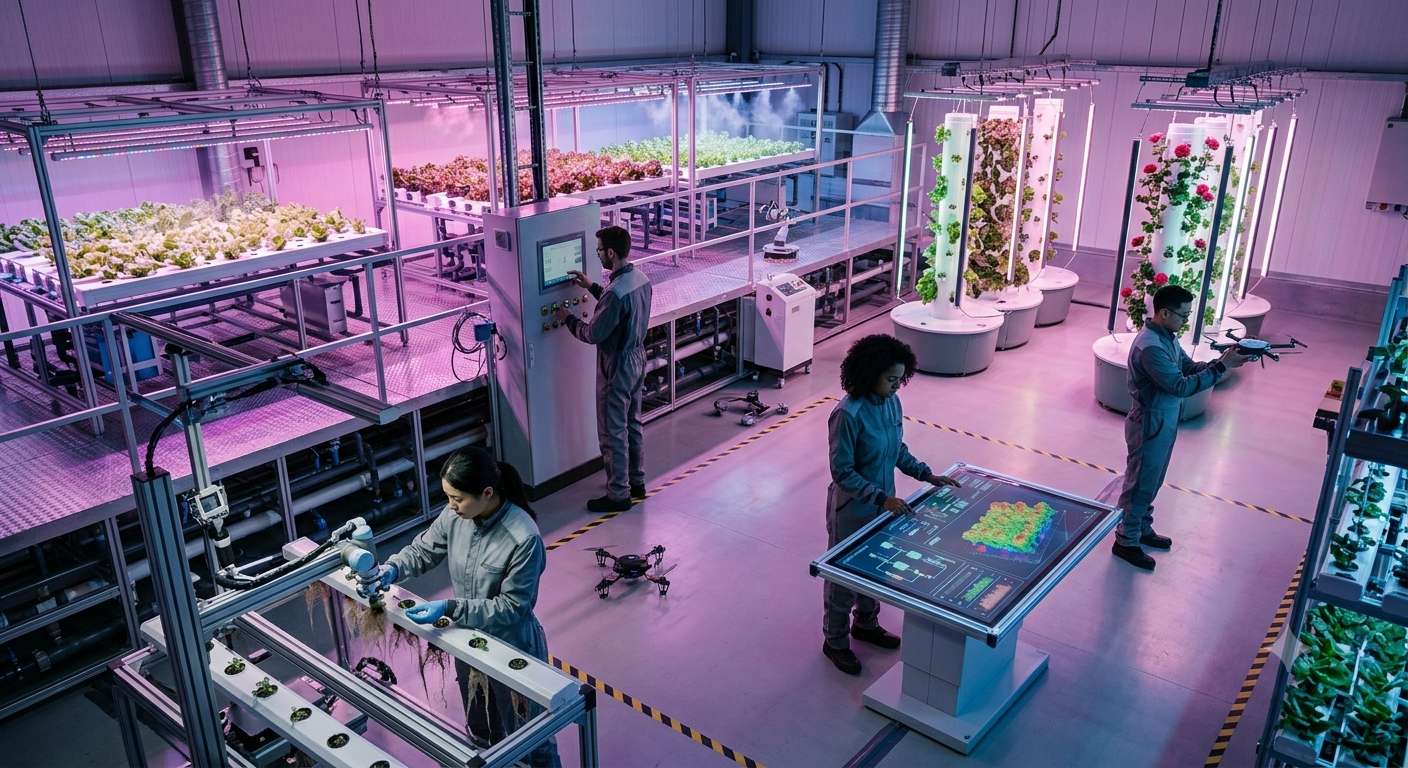
Technology changes rapidly, so professionals need to continuously update their technical knowledge. Programming, data analysis, cloud platforms, engineering software, simulation tools, automation systems, and digital technologies can provide an advantage depending on the chosen specialisation.
Future Scope
Engineering and technology will continue to play a central role in economic development, industrial growth, digital transformation, and innovation. New technologies are creating opportunities across both traditional engineering industries and emerging technology sectors.
Emerging and expanding areas include:
- Artificial Intelligence and Machine Learning
- Robotics and Automation
- Electric Vehicles
- Renewable Energy
- Semiconductor Manufacturing
- Cybersecurity
- Cloud Computing
- Data Science and Analytics
- Space Technology
- Advanced Manufacturing
- Biotechnology and Biomedical Engineering
- Smart Infrastructure
Artificial intelligence, automation, robotics, renewable energy, semiconductor technology, electric mobility, advanced manufacturing, and digital infrastructure are transforming industries and creating new engineering roles. Professionals who combine strong fundamentals with modern technology skills will be well positioned for future opportunities.
Is Engineering & Technology the Right Career for You?
Engineering & Technology could be a strong career choice if you:
- Enjoy mathematics and science
- Like understanding how things work
- Enjoy solving technical and practical problems
- Are interested in computers, machines, or technology
- Have strong logical and analytical thinking
- Enjoy designing and building things
- Like experimenting and testing ideas
- Are willing to continuously learn new technologies
- Enjoy working on technical projects and with teams
However, engineering and technology can involve demanding academic programs, continuous technical learning, complex projects, and high levels of problem-solving. Students should choose a specialisation based not only on trends but also on their interests, strengths, aptitude, and long-term career goals.
Final Thoughts
Engineering & Technology provide some of the most diverse career opportunities in the modern economy. Whether you want to develop software, design machines, build infrastructure, work with electronics, create intelligent systems, develop sustainable technologies, or contribute to scientific research, there are numerous pathways to explore.
As industries continue to adopt artificial intelligence, automation, digital systems, renewable technologies, advanced manufacturing, and smart infrastructure, the demand for skilled engineering and technology professionals is expected to remain strong. If you're looking for a career that combines science, creativity, innovation, technology, and real-world problem-solving, Engineering & Technology could be the right path for you.