Every product we use—from smartphones and medicines to groceries, automobiles, and clothing—depends on an efficient supply chain. Distribution, Logistics & Supply Chain professionals make sure that products, materials, information, and resources move from suppliers and manufacturers to businesses and customers at the right time and place.
The field has become increasingly important with the growth of e-commerce, online retail, global trade, manufacturing, quick commerce, organised warehousing, and technology-driven transportation. Companies need skilled professionals who can reduce costs, improve efficiency, manage inventory, coordinate suppliers, and ensure timely delivery.
If you enjoy planning, organising, solving operational problems, working with data, and coordinating people and resources, a career in logistics and supply chain could be an excellent fit.
What is Distribution, Logistics & Supply Chain?
Supply chain management involves planning and coordinating the complete flow of goods, services, information, and resources from suppliers to the final customer. Logistics focuses more specifically on transportation, warehousing, inventory, order fulfilment, and movement of products.
Distribution connects businesses with their customers through networks of warehouses, transport providers, retailers, distributors, and delivery systems. Modern supply chains increasingly use technology, data analytics, automation, artificial intelligence, and digital tracking to improve speed, accuracy, and efficiency.
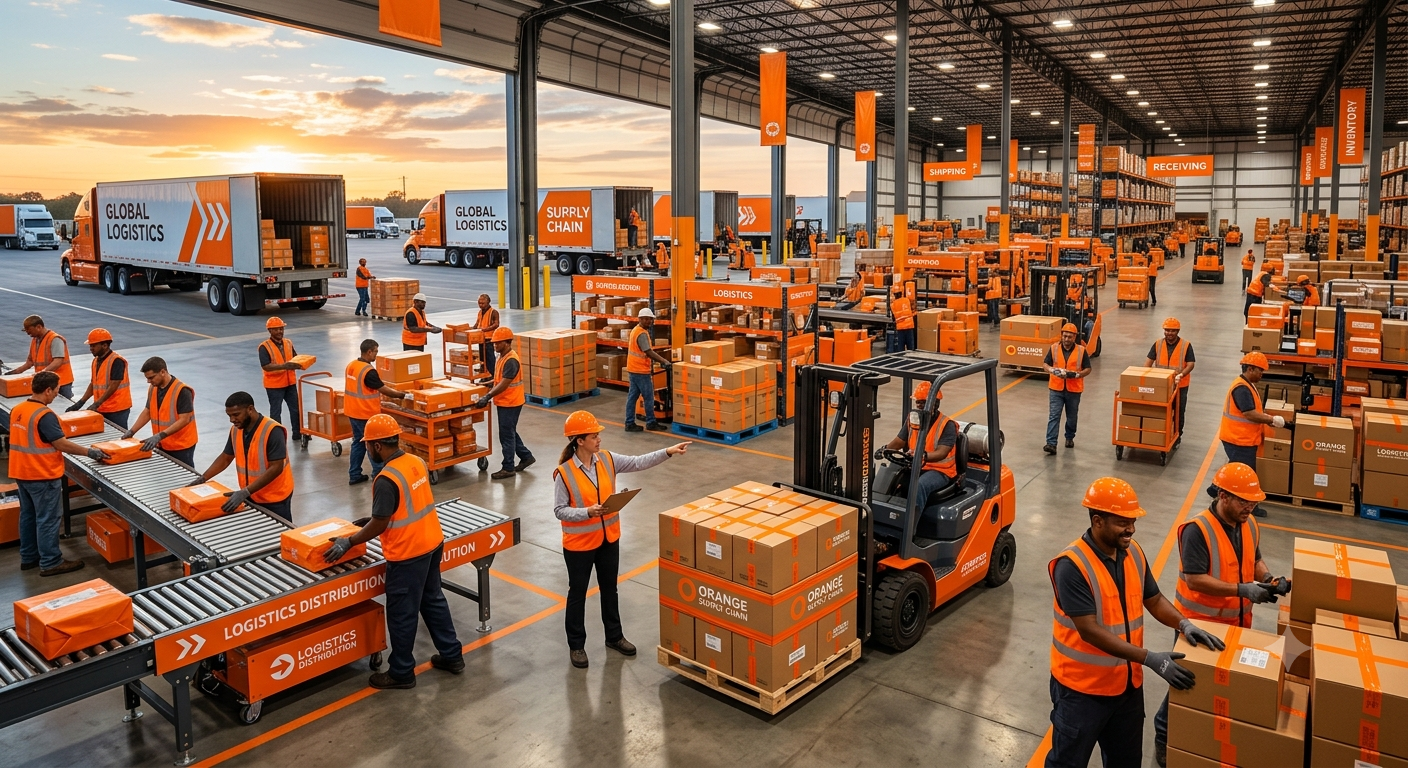
Career Opportunities in Distribution, Logistics & Supply Chain
The industry offers a wide range of operational, analytical, managerial, and technology-oriented career paths. Some of the major roles include:
- Supply Chain Analyst
- Logistics Manager
- Warehouse Manager
- Procurement Specialist
- Inventory Manager
- Distribution Manager
- Operations Manager
- Transportation Manager
- Demand Planner
- Supply Planner
- Purchasing Manager
- Supply Chain Consultant
- Import / Export Executive
Professionals can work with manufacturing companies, e-commerce businesses, retailers, logistics providers, shipping companies, airlines, automobile companies, pharmaceutical organisations, FMCG brands, warehouses, consulting firms, and global supply chain organisations.
Career Pathway
The pathway into logistics and supply chain depends on your area of interest and the level of responsibility you want to pursue.
For Logistics and Operations
Students interested in day-to-day operations can build careers in transportation, warehousing, inventory control, order fulfilment, distribution, and operations management. Practical industry experience can be particularly valuable for progressing into supervisory and managerial positions.
For Supply Chain Management
Students interested in planning and strategy can move into areas such as demand forecasting, procurement, supplier management, inventory optimisation, supply planning, and strategic operations.
For Procurement and International Trade
Students can pursue:
- BBA in Logistics and Supply Chain Management
- B.Com / BBA in Business Management
- B.Sc. in Logistics and Supply Chain Management
- Bachelor's Degree in International Business
- MBA in Supply Chain Management
- MBA in Operations Management
- PG Diploma in Logistics and Supply Chain Management
These programs can prepare students for careers in procurement, sourcing, vendor management, international trade, purchasing, supply planning, and global supply chain operations.
Top Colleges and Institutes in India
Students interested in logistics, supply chain, operations, and business management can explore:
- Indian Institute of Management (IIMs)
- Indian Institute of Technology (IITs)
- National Institute of Industrial Engineering (NITIE / IIM Mumbai)
- Indian Institute of Foreign Trade (IIFT)
- Symbiosis Institute of Operations Management
- Amity University
- UPES, Dehradun
- Indian Maritime University
- Institute-specific Logistics and Supply Chain Management Programs
Students should compare programs based on industry exposure, internships, curriculum, technology training, placement opportunities, supply chain specialisations, and connections with logistics and manufacturing organisations.
Entrance Exams
Admission requirements vary depending on the institution and program. Some common entrance examinations include:
- CUET-UG — for participating undergraduate programs
- JEE Main — for selected engineering pathways
- CAT — for MBA and management programs
- XAT — for management programs
- CMAT — for MBA and management programs
- MAT — for management programs
- University-specific entrance examinations
For undergraduate programs, admission may be based on Class 12 performance, entrance examinations, or university-specific selection processes. For postgraduate management programs, candidates may need to clear an entrance examination followed by interviews, group discussions, or other selection stages.
Salary Range in India
Salaries in logistics and supply chain vary depending on the role, industry, qualification, location, company size, and experience. Typical salary ranges include:
- Logistics Executive — ₹3–6 LPA
- Warehouse Executive — ₹3–6 LPA
- Supply Chain Analyst — ₹4–8 LPA
- Procurement Executive — ₹4–8 LPA
- Operations Manager — ₹6–12 LPA
- Supply Chain Manager — ₹8–18 LPA
- Senior Supply Chain / Operations Professional — ₹15–25 LPA+
Professionals with strong analytical, technology, procurement, planning, or managerial expertise can progress into senior supply chain and operations roles. Experience with global supply networks, ERP systems, analytics, and strategic planning can further improve career opportunities.
Skills Required
Success in Distribution, Logistics & Supply Chain requires a combination of organisational, analytical, communication, and problem-solving abilities. Important skills include:
- Planning and Organisation
- Problem-Solving
- Data Analysis
- Inventory Management
- Communication
- Negotiation
- Time Management
- Decision-Making
- Teamwork
- Vendor Management
- Technology and ERP Skills
- Attention to Detail
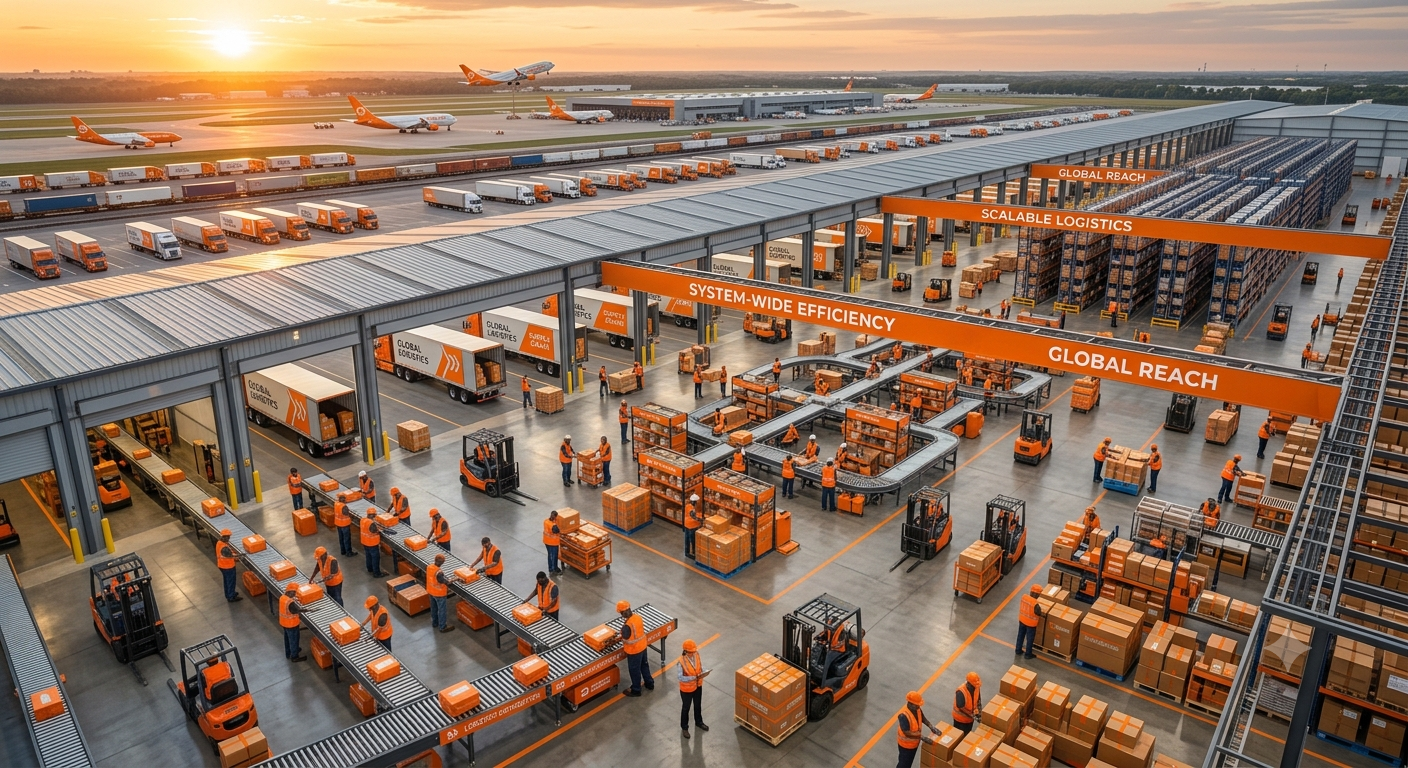
Technology skills are becoming increasingly important in the industry. Knowledge of enterprise resource planning systems, spreadsheets, data analytics, inventory software, warehouse management systems, and supply chain platforms can provide an advantage in the job market.
Future Scope
The rapid growth of e-commerce, organised retail, manufacturing, global trade, and on-demand delivery is increasing the importance of efficient supply chains. Businesses are investing heavily in technology and skilled professionals to make their operations faster, more reliable, and cost-effective.
Emerging and expanding areas include:
- E-Commerce Logistics
- Quick Commerce
- Warehouse Automation
- Supply Chain Analytics
- Artificial Intelligence in Supply Chains
- Demand Forecasting
- Digital Procurement
- Cold Chain Logistics
- Last-Mile Delivery
- Global Supply Chain Management
- Sustainable Logistics
- Drone and Autonomous Delivery
Artificial intelligence, automation, Internet of Things devices, real-time tracking, robotics, predictive analytics, and digital supply chain platforms are transforming how goods are stored, transported, and delivered. Professionals who understand both business operations and technology will have strong opportunities in the future.
Is Distribution, Logistics & Supply Chain the Right Career for You?
Distribution, Logistics & Supply Chain could be a strong career choice if you:
- Enjoy planning and organising activities
- Like solving practical operational problems
- Are comfortable working with numbers and data
- Enjoy coordinating people and resources
- Have strong communication and negotiation skills
- Like fast-paced and dynamic work environments
- Are interested in business operations and technology
- Can make decisions under time pressure
- Pay attention to details and deadlines
However, logistics and supply chain careers can involve demanding schedules, operational pressure, travel, shift work, and responsibility for time-sensitive activities. Students should be comfortable with coordination, deadlines, changing situations, and solving problems quickly.
Final Thoughts
Distribution, Logistics & Supply Chain is the invisible system that keeps businesses and economies moving. From sourcing raw materials and managing warehouses to transporting products and delivering orders to customers, supply chain professionals play an essential role in almost every industry.
As e-commerce, manufacturing, global trade, technology, and digital commerce continue to expand, the need for skilled logistics and supply chain professionals is expected to remain strong. If you're looking for a career that combines business, technology, planning, analytics, and real-world problem-solving, Distribution, Logistics & Supply Chain could be the right path for you.