Digital Media & Content Creation has become one of the most exciting career areas for students who enjoy storytelling, creativity, technology, and communication. From short-form videos and social media campaigns to films, podcasts, photography, animation, websites, and branded content, digital platforms have created numerous ways for creative professionals to reach audiences.
The growth of social media, streaming platforms, digital advertising, creator businesses, online education, gaming, and mobile content has increased the demand for people who can create engaging and meaningful digital experiences. Today, content is used by businesses, entertainment companies, news organisations, educational institutions, startups, and creators across almost every industry.
If you enjoy making videos, writing, photography, editing, storytelling, presenting, designing, or experimenting with new digital platforms, Digital Media & Content Creation could be an excellent career choice.
What is Digital Media & Content Creation?
Digital Media & Content Creation involves developing, producing, editing, and distributing content through digital platforms. Content can take many forms, including videos, photographs, graphics, articles, podcasts, social media posts, animations, advertisements, documentaries, websites, and interactive experiences.
The field combines creative thinking with technical skills. Content professionals need to understand storytelling, audience behaviour, visual communication, digital tools, platform trends, and the purpose behind each piece of content.
Career Opportunities in Digital Media & Content Creation
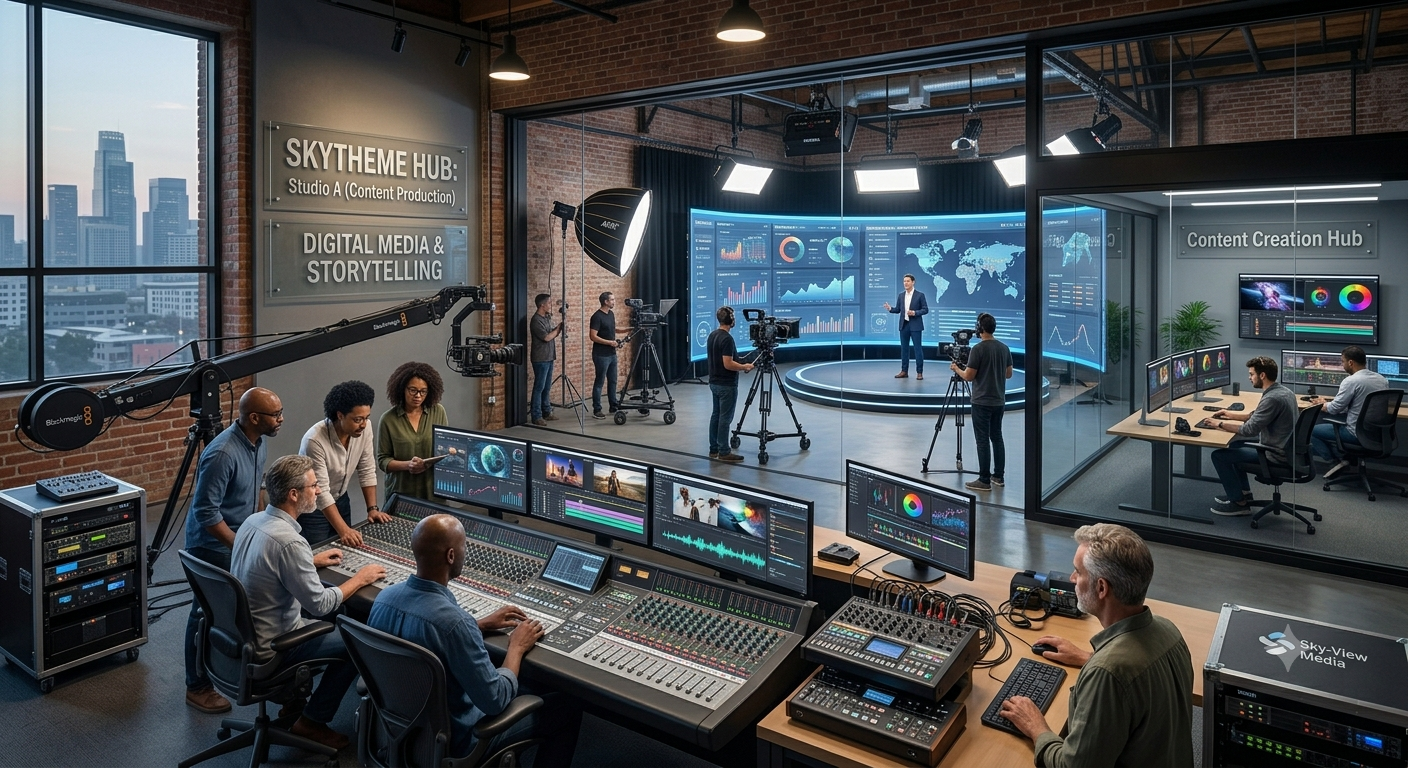
The digital media industry offers a wide range of creative, production, communication, and technology-oriented roles. Some of the major career options include:
- Content Creator
- Video Producer
- Video Editor
- Social Media Manager
- Digital Content Strategist
- Copywriter
- Photographer
- Cinematographer
- Podcast Producer
- Motion Graphics Designer
- Animator
- Digital Marketing Specialist
Professionals can work with production houses, advertising agencies, media companies, news organisations, technology companies, digital marketing agencies, entertainment platforms, startups, brands, or independently as freelancers and creators.
Career Pathway
The pathway into digital media depends on the type of content and specialisation you want to pursue.
For Film, Video and Production
Students interested in filmmaking and video production can explore cinematography, direction, editing, production design, sound, scriptwriting, and production management. Practical experience and a strong portfolio are especially important in this field.
For Social Media and Content Creation
Social media professionals create content designed for specific audiences and platforms. They may develop campaign ideas, write captions and scripts, produce short-form videos, analyse engagement, and manage digital communities.
For Digital Marketing and Brand Content
Students interested in combining creativity with business and communication can pursue:
- Bachelor's Degree in Mass Communication
- Digital Media and Communication
- Journalism and Media Studies
- Advertising and Public Relations
- Digital Marketing
- Business and Management
- Graphic and Communication Design
This pathway can lead to careers in digital campaigns, branded content, advertising, social media marketing, content strategy, search marketing, influencer marketing, and online brand communication.
Top Colleges and Media Institutes in India
Some of the well-known institutes and universities offering programs related to media, communication, film, journalism, and digital content include:
- Indian Institute of Mass Communication (IIMC)
- Film and Television Institute of India (FTII), Pune
- Satyajit Ray Film and Television Institute (SRFTI), Kolkata
- Symbiosis Institute of Media and Communication (SIMC), Pune
- Xavier Institute of Communications (XIC), Mumbai
- Whistling Woods International, Mumbai
- Asian Academy of Film & Television (AAFT), Noida
- Jamia Millia Islamia, New Delhi
- Delhi University, New Delhi
Students should compare programs based on practical exposure, studio and production facilities, industry connections, internships, faculty experience, specialisations, portfolio opportunities, and the type of media career they want to pursue.
Entrance Exams
Admission requirements vary depending on the institute and program. Some important entrance examinations and admission routes include:
- CUET UG — for participating universities and media-related programs
- IIMC Entrance / Admission Process — for selected media and communication programs
- FTII Entrance Examination — for selected film and television programs
- XIC OET / Institute-specific selection processes
- University-specific entrance examinations
- Portfolio and interview-based selection — for selected creative programs
Creative media programs may assess more than academic performance. Depending on the course, students may be evaluated on communication skills, general awareness, creativity, writing ability, visual thinking, portfolio quality, interviews, or practical assignments.
Salary Range in India
Salaries in Digital Media & Content Creation vary significantly depending on specialisation, portfolio, experience, organisation, location, and audience reach. Indicative annual ranges include:
- Junior Content Creator — ₹3–6 LPA
- Video Editor — ₹3–7 LPA
- Social Media Executive — ₹3–6 LPA
- Digital Content Strategist — ₹5–10 LPA
- Digital Marketing Specialist — ₹4–10 LPA
- Senior Content / Media Professional — ₹8–18 LPA+
Freelancers and independent creators can have very different income levels depending on their clients, audience, platform performance, brand partnerships, and business model. Professionals with strong portfolios and specialised skills can also find opportunities with leading brands, production companies, agencies, and digital platforms.
Skills Required
Success in Digital Media & Content Creation requires a combination of creativity, communication, technical ability, and audience understanding. Important skills include:
- Storytelling
- Creative Thinking
- Communication
- Video Editing
- Photography
- Scriptwriting
- Social Media Skills
- Content Strategy
- Visual Communication
- Research
- Time Management
- Adaptability
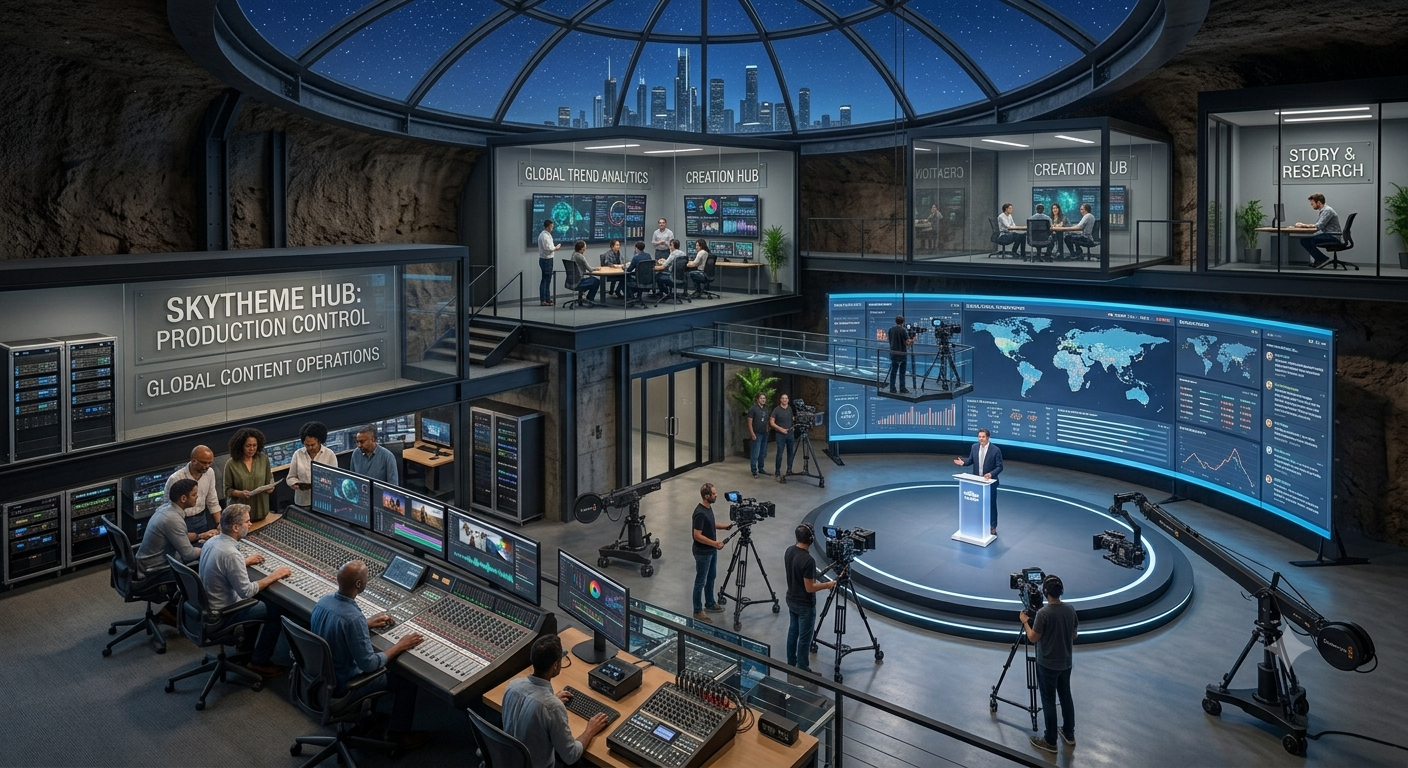
A strong portfolio is particularly important in digital media. Students should regularly create projects such as short videos, reels, photographs, articles, podcasts, campaigns, animations, or social media concepts to demonstrate their skills and creative style.
Future Scope
Digital content consumption continues to expand as audiences increasingly use smartphones, streaming platforms, social networks, podcasts, and online services. Organisations across industries are investing more in digital communication and content to connect with their audiences.
Emerging and expanding areas include:
- Short-Form Video Content
- Creator Economy
- Digital Advertising
- Social Media Management
- Podcasting
- Streaming and OTT Content
- Animation and Motion Graphics
- Influencer Marketing
- Branded Content
- Virtual and Immersive Media
- AI-Assisted Content Creation
- Digital Storytelling
Artificial intelligence, automated editing tools, virtual production, immersive technologies, and new social platforms are changing how content is produced and distributed. Professionals who combine creativity with technology and understand how audiences consume digital content can find opportunities across a growing range of industries.
Is Digital Media & Content Creation the Right Career for You?
Digital Media & Content Creation could be a strong career choice if you:
- Enjoy storytelling and creative expression
- Like making videos, photographs, graphics, or written content
- Enjoy experimenting with social media and digital platforms
- Have strong communication skills
- Are curious about trends and audience behaviour
- Enjoy learning creative software and digital tools
- Like working on projects and collaborating with others
- Are comfortable receiving feedback and improving your work
- Want a career where creativity and technology come together
However, content creation is not simply about becoming popular on social media. Professional digital media requires consistency, research, planning, technical skills, audience understanding, and the ability to produce quality content regularly. Students should be prepared to continuously learn as platforms, technologies, algorithms, and audience preferences change.
Final Thoughts
Digital Media & Content Creation bring storytelling, creativity, communication, and technology together to create content that informs, entertains, educates, and connects with audiences. Whether you want to become a filmmaker, content creator, video editor, social media professional, photographer, digital strategist, or creative entrepreneur, there are numerous pathways to explore.
As businesses, entertainment platforms, creators, and organisations continue to invest in digital communication, the demand for skilled content professionals is expected to remain strong. If you are looking for a career that combines creativity, technology, storytelling, and the opportunity to build your own voice and ideas, Digital Media & Content Creation could be the right path for you.